
Last Updated on June 11, 2026 by I Love Spanish Club
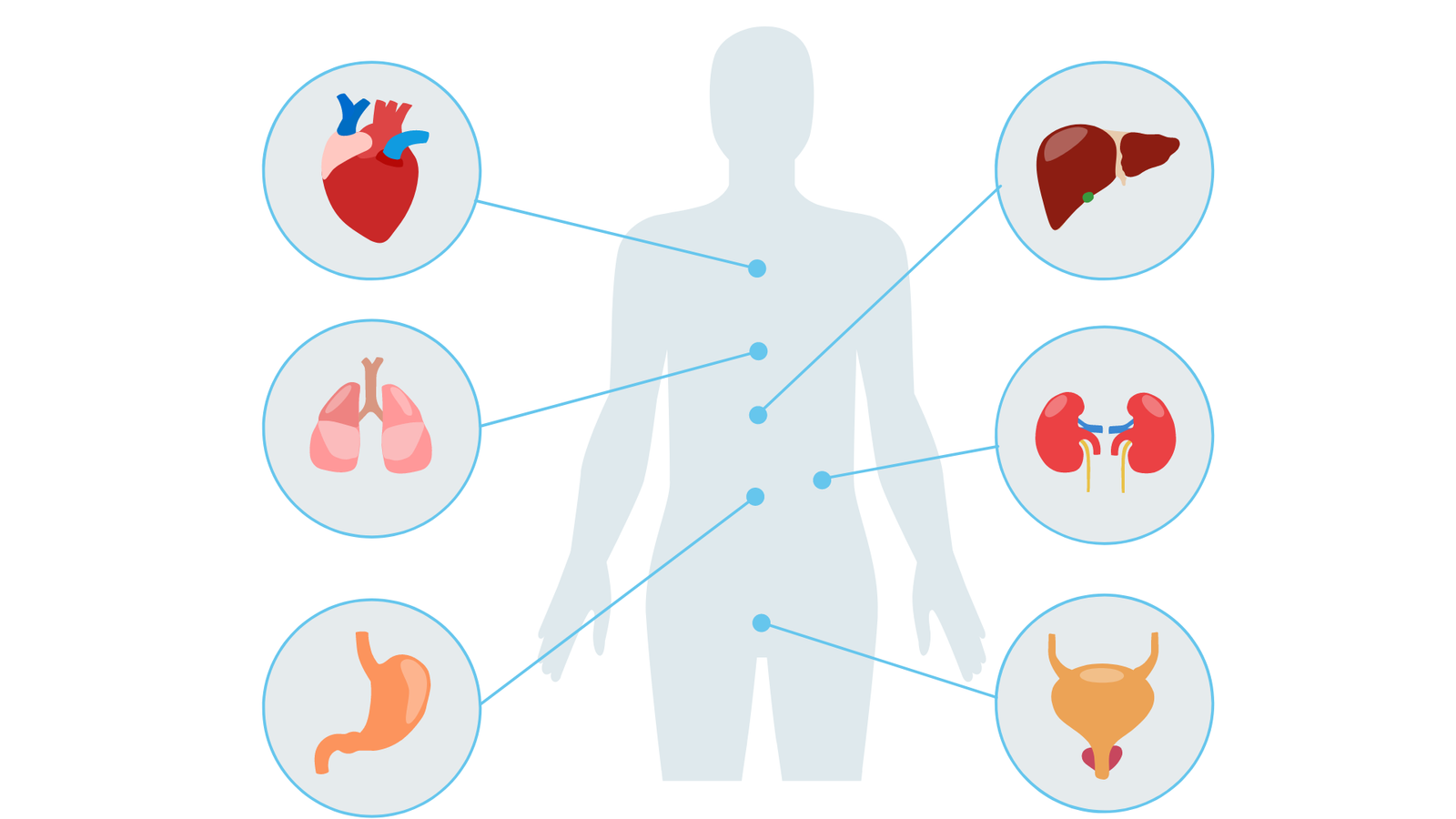
Learning body parts in Spanish is one of the most practical vocabulary topics you can study. You’ll use this vocabulary at the doctor, at the gym, when describing how you feel, and in everyday conversations. In this complete guide you’ll find every body part from head to toe, real conversation examples, common expressions, and tips to help you use them naturally. ¡De la cabeza a los pies!
🗣️ How Do You Say “Body” in Spanish?
El cuerpo
el KWEHR-poh
👤 The Head — La Cabeza
| English | Spanish | Pronunciation |
|---|---|---|
| Head | La cabeza | kah-BEH-sah |
| Hair | El pelo / El cabello | PEH-loh |
| Face | La cara | KAH-rah |
| Forehead | La frente | FREN-teh |
| Eye | El ojo | OH-hoh |
| Eyebrow | La ceja | SEH-hah |
| Eyelash | La pestaña | pes-TAH-nyah |
| Ear | La oreja | oh-REH-hah |
| Nose | La nariz | nah-REES |
| Mouth | La boca | BOH-kah |
| Lip | El labio | LAH-byoh |
| Tooth | El diente | DYEN-teh |
| Tongue | La lengua | LEHN-gwah |
| Chin | La barbilla | bar-BEE-yah |
| Cheek | La mejilla | meh-HEE-yah |
| Neck | El cuello | KWEH-yoh |
💪 The Torso & Arms — El Torso y Los Brazos
| English | Spanish | Pronunciation |
|---|---|---|
| Shoulder | El hombro | OHM-broh |
| Chest | El pecho | PEH-choh |
| Back | La espalda | es-PAHL-dah |
| Stomach | El estómago / La barriga | es-TOH-mah-goh |
| Waist | La cintura | seen-TOO-rah |
| Hip | La cadera | kah-DEH-rah |
| Arm | El brazo | BRAH-soh |
| Elbow | El codo | KOH-doh |
| Wrist | La muñeca | moo-NYEH-kah |
| Hand | La mano | MAH-noh |
| Finger | El dedo | DEH-doh |
| Nail | La uña | OO-nyah |
🦵 The Legs — Las Piernas
| English | Spanish | Pronunciation |
|---|---|---|
| Leg | La pierna | PYEHR-nah |
| Thigh | El muslo | MOOS-loh |
| Knee | La rodilla | roh-DEE-yah |
| Calf | La pantorrilla | pan-toh-REE-yah |
| Ankle | El tobillo | toh-BEE-yoh |
| Foot | El pie | pyeh |
| Heel | El talón | tah-LOHN |
🫀 Internal Organs — Los Órganos Internos
| Heart | El corazón |
| Lung | El pulmón |
| Brain | El cerebro |
| Liver | El hígado |
| Kidney | El riñón |
| Bone | El hueso |
| Muscle | El músculo |
| Skin | La piel |
| Blood | La sangre |
💬 Real Conversation Examples
📍 At the doctor
Doctor: ¿Dónde le duele?
Where does it hurt?
Paciente: Me duele mucho la rodilla derecha. Y también tengo dolor de espalda desde ayer.
My right knee hurts a lot. And I also have back pain since yesterday.
Doctor: ¿Se torció el tobillo o tuvo algún golpe?
Did you twist your ankle or have any impact?
📍 Describing someone’s appearance
Ana: ¿Cómo es tu nuevo novio?
What does your new boyfriend look like?
Lucía: Es alto, tiene los ojos verdes y el pelo castaño. Y tiene una sonrisa muy bonita.
He’s tall, has green eyes and brown hair. And he has a very nice smile.
Body vocabulary is essential at the doctor, at the gym, and when describing people — three situations where you really need to communicate clearly. A native tutor on Italki can run doctor role-plays and description exercises with you so these words come out naturally when you need them most.
🎭 Common Spanish Expressions with Body Parts
| Expression | Literal meaning | Real meaning |
|---|---|---|
| Costar un ojo de la cara | To cost an eye from the face | To be very expensive |
| Meter la pata | To put your leg in | To put your foot in it / make a mistake |
| Tomar el pelo | To take the hair | To pull someone’s leg |
| No tener pelos en la lengua | No hairs on the tongue | To be blunt / speak your mind |
| Dar la cara | To give the face | To face the consequences |
⚠️ Common Mistakes English Speakers Make
❌ Saying “mi cabeza duele” instead of “me duele la cabeza”
In Spanish, you don’t say “my head hurts” the same way as English. The correct structure is me duele la cabeza — literally “the head hurts me.” The body part takes the definite article (la, el), not a possessive pronoun.
❌ Confusing “oreja” and “oído”
La oreja = the outer ear (what you see). El oído = the inner ear / sense of hearing. At the doctor, you’d say me duele el oído (my ear hurts — inner ear pain), not me duele la oreja (which would be the outer ear).
❌ Using “estómago” for belly
El estómago technically refers to the stomach organ. In casual speech, Colombians and many Latin Americans say la barriga for the belly/tummy — it’s much more natural. Me duele la barriga sounds friendlier than me duele el estómago in everyday conversation.
✏️ Practice Exercise
Translate into Spanish:
- My back hurts.
- She has brown eyes and long hair.
- I broke my arm.
- He twisted his ankle.
- Where does it hurt?
✅ Show Answers
- Me duele la espalda.
- Ella tiene los ojos marrones/cafés y el pelo largo.
- Me rompí el brazo.
- Se torció el tobillo.
- ¿Dónde le duele?
❓ Frequently Asked Questions
How do I say “my ___ hurts” in Spanish?
Use the structure: me duele + singular body part or me duelen + plural body parts. Examples: me duele la cabeza (my head hurts), me duelen los pies (my feet hurt). Notice you use the definite article (la, los), not a possessive adjective.
What’s the difference between “pie” and “pierna”?
El pie = foot (just the foot). La pierna = leg (the whole leg, from hip to ankle). So if you hurt your foot, say me duele el pie; if you hurt your leg, say me duele la pierna.
How do Spanish speakers describe hair color and eye color?
Use tener + article + body part + color: Tiene los ojos azules (blue eyes), tiene el pelo negro (black hair). Common hair colors: negro (black), castaño (brown), rubio (blond), pelirrojo (red). These descriptions come up constantly in real conversation — watching Spanish TV on LingoPie is a fantastic way to hear them used naturally so they become automatic.