Last Updated on September 11, 2024 by Viviana
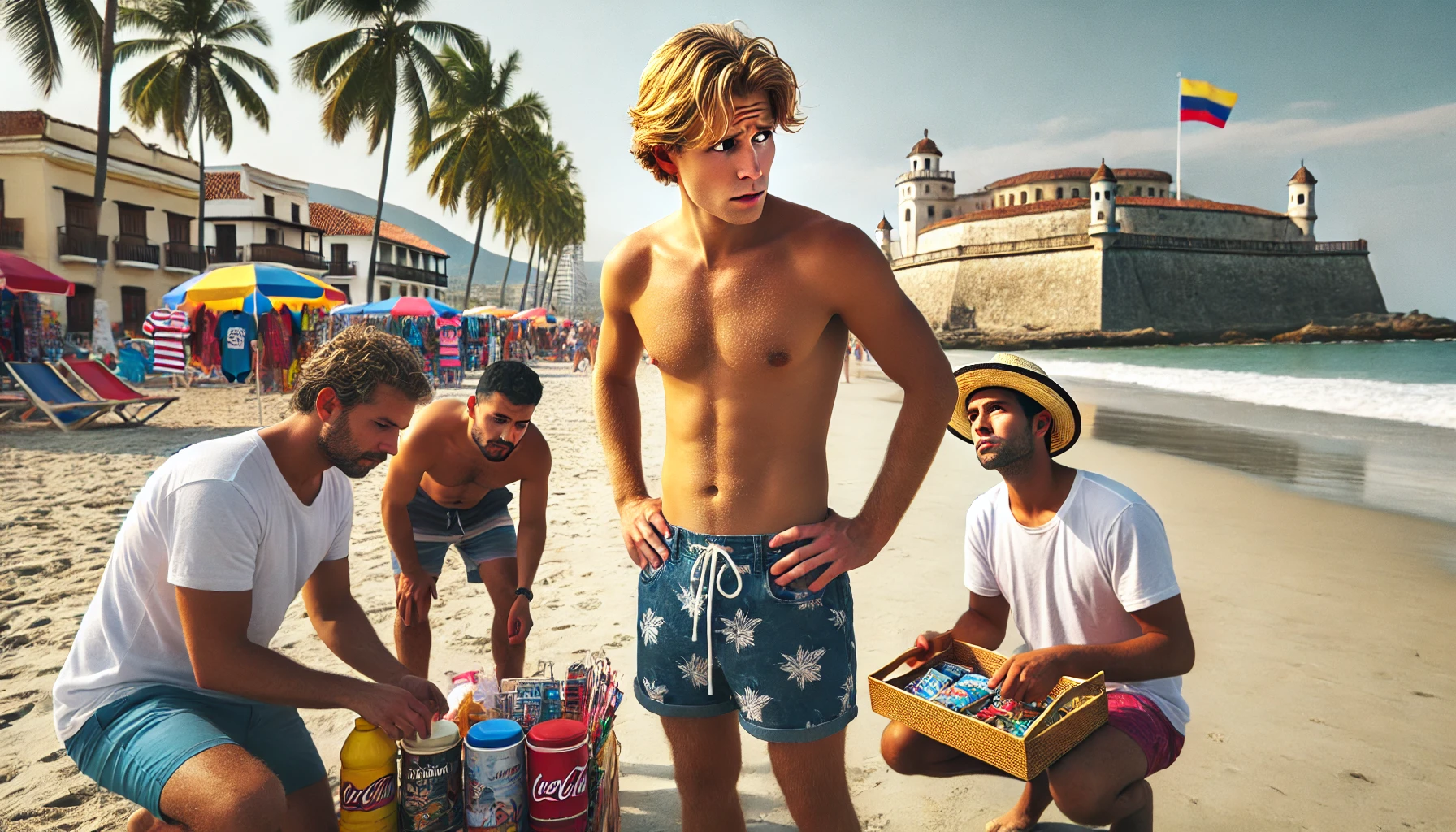
Cartagena, a stunning coastal city on Colombia’s Caribbean coast, is famous for its colonial architecture, beautiful beaches, and vibrant culture. While the city is a popular tourist destination, like many major tourist hubs, it also attracts scammers. Being aware of the most common scams in Cartagena can help you enjoy your visit safely. Below are some of the typical scams and tips on how to avoid them.
1. Fake Tour Guides
The Scam: In areas such as the Old City or around famous landmarks like the Castillo San Felipe, locals may approach tourists offering unsolicited “tours” of the area. These “guides” often lack proper training or authorization, and after giving a brief, often inaccurate or misleading explanation, they demand exorbitant payments.
How to Avoid It: Stick to registered tour guides who carry official identification. If you’re planning to take a tour, book through a reputable company or the tourism office to ensure you’re getting a legitimate service.
2. Beach Vendor Scams
The Scam: At popular beaches like Playa Blanca or Bocagrande, vendors selling food, drinks, or souvenirs may appear friendly at first. However, after offering a product or service (like a beach chair or umbrella), they charge exorbitant prices that were not disclosed beforehand.
How to Avoid It: Always ask for the price upfront before accepting any service or purchasing anything. If a vendor is vague or refuses to give a price, it’s best to walk away. It’s also a good idea to carry smaller bills to avoid disputes over change.
3. “Free” Massages and Products
The Scam: On the beaches, some people will offer “free” massages, hair braiding, or even snacks, then insist on being paid afterward, often demanding a much higher fee than expected.
How to Avoid It: Politely decline any offers for free services, even if they seem tempting. Be firm but polite and walk away if needed.
4. Taxi Scams
The Scam: Some taxi drivers in Cartagena may attempt to overcharge tourists, especially if they know you are unfamiliar with the local currency or typical fares. They may also claim that their meter is broken or refuse to use it.
How to Avoid It: Use official taxi services or apps like Cabify or Uber (where available). If using a regular taxi, agree on a fare before starting the journey. If possible, ask your hotel or locals what the typical fare should be for your route.
5. Currency Exchange Scams
The Scam: Some street money changers or even shady exchange booths may offer bad rates or give counterfeit or incorrect bills in change. Tourists unfamiliar with Colombian pesos might not notice they’ve been shortchanged until it’s too late.
How to Avoid It: Always exchange money at banks or reputable exchange offices. Avoid street exchanges. It’s also wise to familiarize yourself with Colombian pesos before you arrive and to count your money carefully before walking away.
6. Pickpocketing
The Scam: In crowded areas like markets, plazas, or festivals, pickpockets may target tourists, especially if they are distracted by their surroundings or busy taking photos.
How to Avoid It: Keep your belongings secure and out of sight. Use a money belt or a cross-body bag with a zipper. Be mindful of your surroundings, especially in busy places, and avoid displaying valuable items like jewelry or large amounts of cash.
7. Fake Police Officers
The Scam: Some scammers impersonate police officers and stop tourists, claiming to be searching for counterfeit money or drugs. They may demand to see your wallet or passport and, in the process, steal money or personal items.
How to Avoid It: If stopped by someone claiming to be a police officer, ask to see their identification. Real police officers in Colombia carry visible badges and IDs. Never hand over your wallet or valuables. If you feel uncomfortable, call your embassy or walk into a nearby business to ask for help.
8. Overpriced Restaurants or “Tourist Menus”
The Scam: Some restaurants may present tourists with special menus that have inflated prices, or they may add hidden fees, such as service charges or taxes, not disclosed on the menu.
How to Avoid It: Before sitting down at a restaurant, ask for a menu with prices or clarify if there are any additional charges. If you feel the bill is higher than expected, don’t hesitate to ask for an itemized receipt.
General Tips for Staying Safe:
Cartagena is a beautiful city with much to offer. But just be careful! Learn some Spanish, this will help you to avoid scams.
Use Trusted Transportation and Accommodation, through reputable websites like Airbnb.
Stay Alert in Crowded Areas, and Trust Your Instincts, If something feels off or if a deal seems too good to be true, it probably is. It’s better to walk away than risk being scammed.
By following these tips, you can protect yourself and enjoy a safe and memorable trip to this Caribbean gem. Welcome to Cartagena!