
Last Updated on June 9, 2026 by I Love Spanish Club

When learning Spanish, one of the most exciting — and sometimes challenging — aspects is navigating its diverse accents. Spanish is spoken in over 20 countries, and each region brings its own unique pronunciation, vocabulary, and expressions. If you’re wondering which Spanish accent is best for learning, the answer depends on your goals. In this guide we break down the 6 best Spanish accents for learners — with pros, cons, and our final verdict. ¡Vamos a escuchar! (Let’s listen!)
📋 Quick Comparison — Best Spanish Accents for Learners
| Accent | Clarity | Best for | Main challenge |
|---|---|---|---|
| 🇪🇸 Castilian (Spain) | ⭐⭐⭐⭐ | Grammar precision, formal Spanish | Vosotros form, ceceo |
| 🇨🇴 Colombian (Bogotá) | ⭐⭐⭐⭐⭐ | Beginners, neutral accent | Regional variation in Colombia |
| 🇲🇽 Mexican Spanish | ⭐⭐⭐⭐ | Media, TV, global use | Regional slang |
| 🌎 Latin American Neutral | ⭐⭐⭐⭐⭐ | General communication | Not a real regional accent |
| 🇵🇪 Peruvian (Lima) | ⭐⭐⭐⭐⭐ | Clear, minimal slang | Andean regional variations |
| 🇦🇷 Argentine (Rioplatense) | ⭐⭐⭐ | Culture, tango, literature | Vos form, Italian intonation |
🇪🇸 1. Castilian Spanish — Spain

✅ Why it’s great for learners:
- Clear enunciation — precise pronunciation of consonants makes every sound audible
- The “ceceo” — the distinctive “th” sound for Z and soft C helps train your ear (e.g., gracias sounds like grathias)
- Rich vocabulary — formal and informal expressions from Europe’s Spanish-speaking heartland
⚠️ Challenges:
- Regional accents within Spain vary significantly (Andalusian vs northern)
- The vosotros form — used in Spain but not in Latin America — adds extra grammar to learn
🇨🇴 2. Colombian Spanish — Bogotá Dialect

✅ Why it’s great for learners:
- Neutral and clear accent — Colombians, particularly in Bogotá, are praised worldwide for their clean, deliberate enunciation
- Standard vocabulary — avoids heavy regional slang, making it more accessible for non-native speakers
- Cultural influence — Colombian Spanish dominates telenovelas, music, and media across Latin America
- Widely considered the “best” accent for learners in multiple international surveys
⚠️ Challenges:
- Regional accents within Colombia vary significantly — Bogotá, Medellín, Cali and the coast all sound different
🏆 Our verdict on Colombian Spanish
Colombian Spanish from Bogotá is consistently rated the #1 accent for Spanish learners — clear, neutral, and widely understood across the Spanish-speaking world. If you’re just starting out, this is your best bet!
🇲🇽 3. Mexican Spanish

✅ Why it’s great for learners:
- Global exposure — Mexican Spanish dominates movies, TV shows, and music worldwide
- Clear intonation — rhythmic and easy to follow structure
- Widely understood — due to Mexico’s global cultural influence, easily recognized everywhere
- Most Spanish content on Netflix, YouTube and streaming services is in Mexican Spanish
⚠️ Challenges:
- Heavy use of regional slang and informal expressions requires additional study
🌎 4. Latin American Neutral Spanish
✅ Why it’s great for learners:
- Designed for communication — this “neutral” accent, used in dubbing for movies and TV, avoids regionalisms
- Standard grammar and vocabulary — a balanced mix of Latin American Spanish features
- Universally understood — an excellent foundation for speaking with people from all Spanish-speaking regions
⚠️ Challenges:
- Not an authentic regional accent — it can feel slightly artificial compared to real-world spoken Spanish
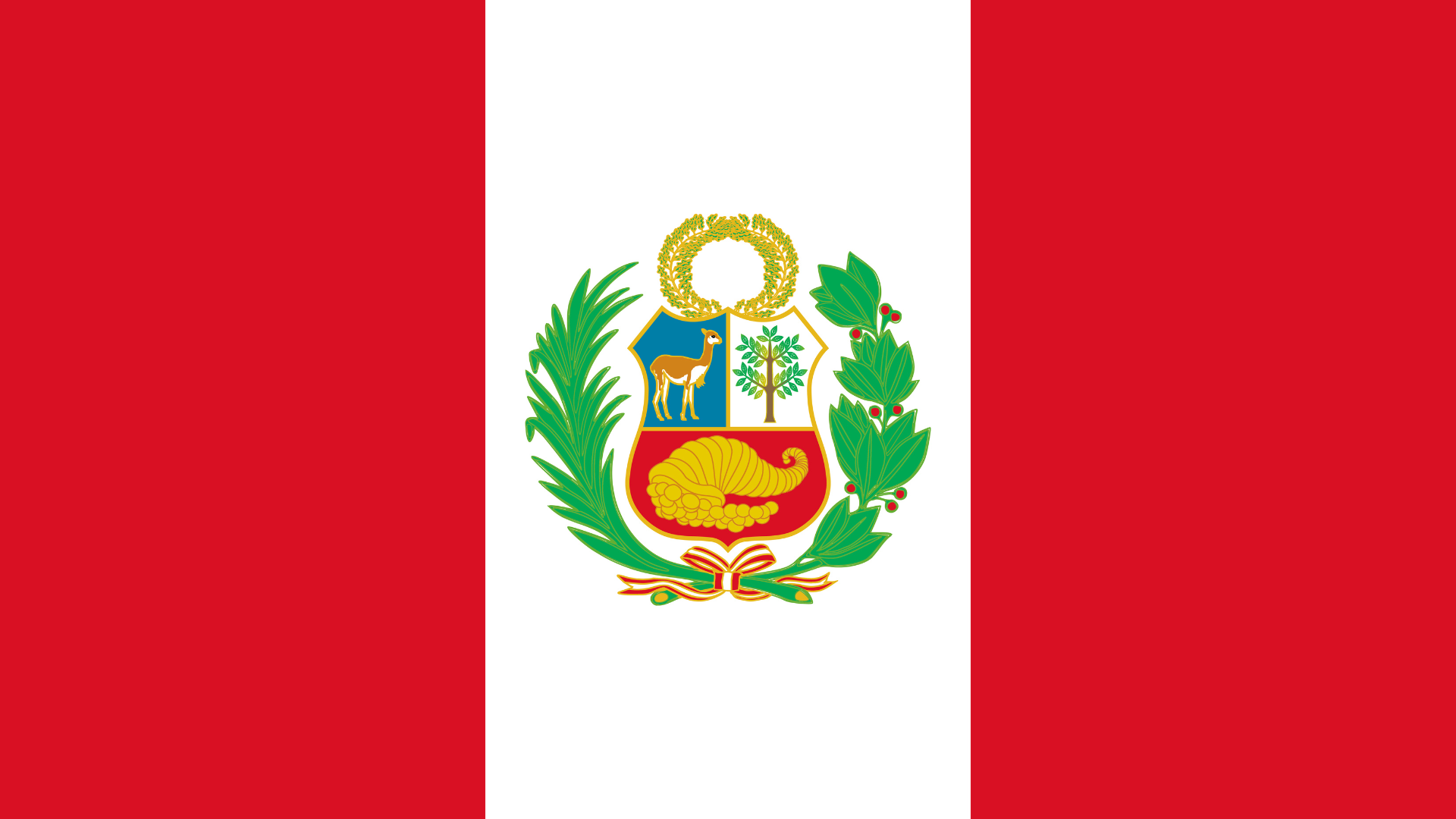
🇵🇪 5. Peruvian Spanish — Lima Dialect
✅ Why it’s great for learners:
- Neutral and precise — Peruvian Spanish from Lima is consistently rated one of the clearest accents in Latin America
- Slang-light — compared to other Latin American countries, uses less slang and more standard vocabulary
- Cultural richness — Peru’s unique blend of indigenous, Spanish, and Asian influences creates fascinating linguistic variety
⚠️ Challenges:
- Andean regional variations can be harder to understand for beginners
🇦🇷 6. Argentine Spanish — Rioplatense Dialect

✅ Why it’s great for learners:
- Distinctive and musical — the Italian-like intonation is immediately recognizable and beautiful to listen to
- Rich cultural media — Argentine films, literature, and tango music make it engaging to learn
- Expressive speech — the sing-song intonation helps learners pick up on emotional tones
⚠️ Challenges:
- Uses vos instead of tú with unique verb conjugations — requires extra practice
- The heavy Italian influence can make transitioning to other accents more difficult
🎯 Which Accent Should YOU Choose?
| Your goal | Best accent |
|---|---|
| 🎯 Clarity and ease for beginners | Colombian Spanish (Bogotá) or Peruvian Spanish (Lima) |
| 📺 Access to media and TV shows | Mexican Spanish or Latin American Neutral |
| 🇪🇺 Travel to Spain / European Spanish | Castilian Spanish |
| 🎭 Cultural richness and uniqueness | Argentine Spanish or Castilian Spanish |
| 🌎 Communicate across all countries | Latin American Neutral or Colombian Spanish |
🚀 Practice With a Native Spanish Speaker
The best way to get comfortable with Spanish accents is to practice with native speakers from different countries. On Italki and Preply you can filter tutors by country — so you can practice Colombian, Mexican, Argentine, or Spanish accents!
🎓 Book a Spanish lesson today:
Try Italki → Try Preply →Filter by country and practice the accent you want to learn!
Or use LingoPie to watch TV shows from different Spanish-speaking countries — the best way to train your ear to different accents!
📚 Keep Learning
- 👉 Best Places to Visit in Colombia — practice that accent in person!
- 👉 Best Places to Visit in Spain
- 👉 Best Places to Visit in Mexico
👉 Find a Spanish tutor on Italki — trial lessons from $5
👉 LingoPie — Learn Spanish through TV shows & movies