
Last Updated on June 15, 2026 by I Love Spanish Club
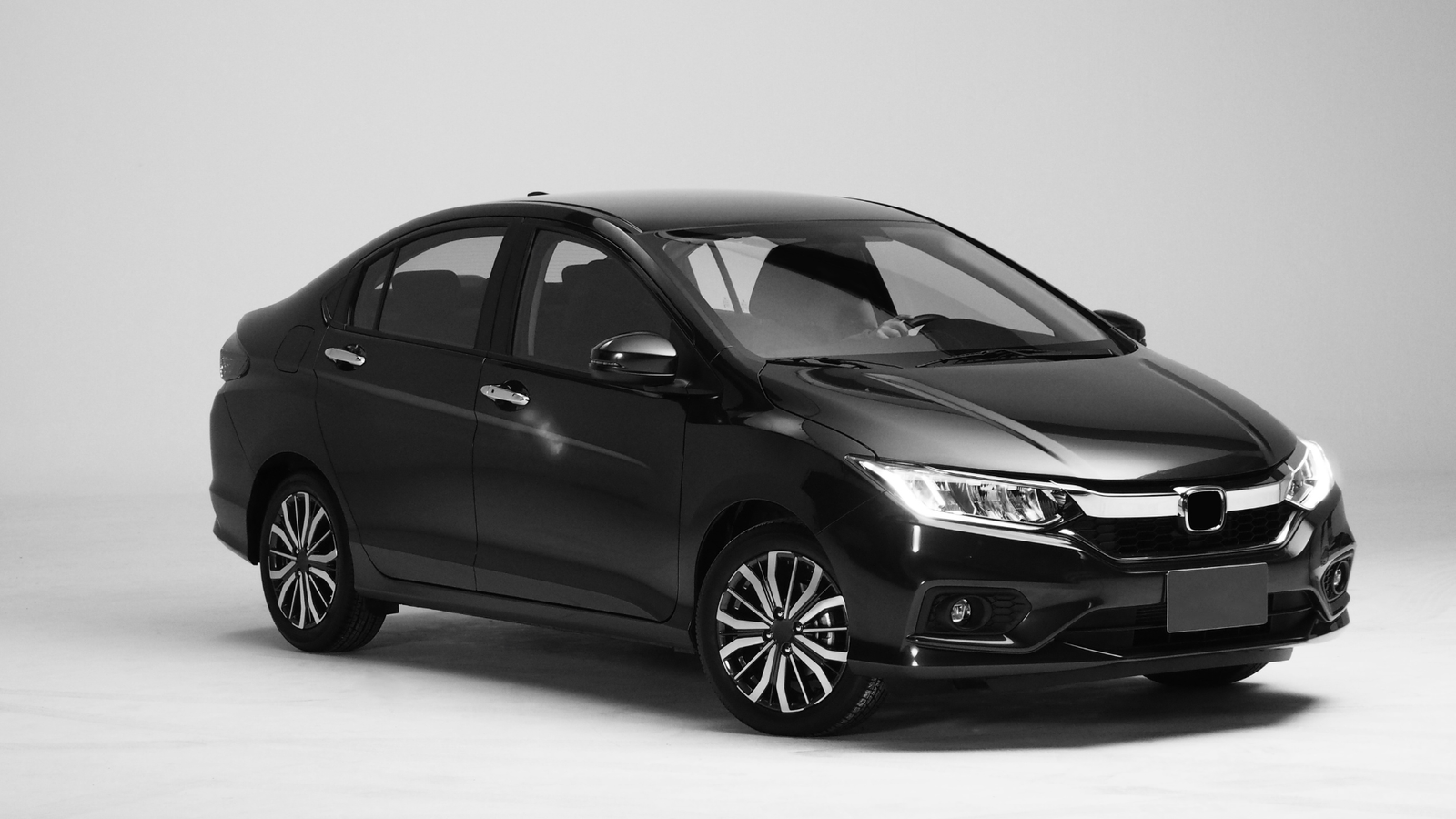
Whether you’re renting a car in Colombia, breaking down on a road trip through Spain, or just chatting about vehicles with a native speaker, knowing car vocabulary in Spanish is incredibly useful. In this complete guide you’ll find 150+ car-related words and phrases in Spanish — from parts of the car to common problems, everyday situations and paint damage. ¡Arranquemos!
🎧 Listen & Learn — Car Vocabulary in Spanish
Listen to the audio to practice the pronunciation of each car-related word:
🚗 1. Parts of the Car — Partes del Carro
| Spanish | English |
|---|---|
| Carro / Coche | Car |
| Motor | Engine |
| Volante | Steering Wheel |
| Faros | Headlights |
| Parabrisas | Windshield |
| Luna trasera | Rear Window |
| Espejos laterales | Side Mirrors |
| Espejo retrovisor | Rearview Mirror |
| Rueda / Llanta | Wheel / Tire |
| Bujía | Spark Plug |
| Freno | Brake |
| Acelerador | Accelerator |
| Clutch / Embrague | Clutch |
| Caja de cambios / Transmisión | Gearbox / Transmission |
| Cinturón de seguridad | Seatbelt |
| Pedales | Pedals |
| Capó | Hood |
| Maletero | Trunk / Boot |
| Puerta | Door |
| Asientos | Seats |
| Tanque de gasolina | Gas Tank |
| Tapa del combustible | Gas Cap |
| Radiador | Radiator |
| Batería | Battery |
| Alternador | Alternator |
| Suspensión | Suspension |
| Frenos de disco | Disc Brakes |
| Frenos de tambor | Drum Brakes |
| Tubo de escape | Exhaust Pipe |
| Amortiguadores | Shock Absorbers |
| Dirección asistida | Power Steering |
| Neumático de repuesto | Spare Tire |
| Luz de freno | Brake Light |
| Luz de giro | Turn Signal |
| Luz de emergencia | Hazard Lights |
| Correa de distribución | Timing Belt |
| Motor de arranque | Starter Motor |
| Filtro de aire | Air Filter |
| Filtro de aceite | Oil Filter |
| Sistema de frenos ABS | Anti-lock Braking System (ABS) |
| Palanca de cambios | Gear Stick |
💡 Regional tip: In Colombia and most of Latin America the car is called carro, while in Spain it’s coche. The tire is llanta in Latin America and neumático in Spain. The trunk is maletero in Spain and baúl or maletera in some Latin American countries.
⚠️ 2. Problems with the Car — Problemas con el Carro
| Spanish | English |
|---|---|
| Se quedó parado / Sin batería | It broke down / It ran out of battery |
| No prende | It doesn’t start |
| El carro se recalentó | The car overheated |
| Se pinchó la llanta | The tire got flat |
| El motor hace ruidos extraños | The engine makes strange noises |
| Está perdiendo aceite | It’s leaking oil |
| No hay gasolina | There’s no gas |
| El freno está fallando | The brake is failing |
| El aire acondicionado no funciona | The air conditioner doesn’t work |
| La luz del motor está encendida | The check engine light is on |
| La batería está descargada | The battery is dead |
| El coche no acelera bien | The car doesn’t accelerate well |
| Está fallando el alternador | The alternator is failing |
| El aceite está muy bajo | The oil is very low |
| El filtro de aire está sucio | The air filter is dirty |
| El coche no frena bien | The car doesn’t brake properly |
| Las luces no funcionan | The lights don’t work |
| El parabrisas está roto | The windshield is broken |
| El líquido de frenos está bajo | The brake fluid is low |
| La dirección está dura | The steering is stiff |
| El carro está perdiendo refrigerante | The car is losing coolant |
| El volante está vibrando | The steering wheel is vibrating |
| El carro se apaga de repente | The car shuts off suddenly |
| El embrague está gastado | The clutch is worn out |
| La correa está rota | The belt is broken |
| El freno de mano no está funcionando | The handbrake isn’t working |
💬 Real Conversation — At the Mechanic
📍 Explaining a problem to the mechanic
Mecánico: Buenos días, ¿qué problema tiene el carro?
Good morning, what’s the problem with the car?
Cliente: No prende bien y hace un ruido extraño cuando freno.
It doesn’t start well and makes a strange noise when I brake.
Mecánico: Vamos a revisar la batería y las pastillas de freno. ¿Cuándo fue la última revisión?
We’ll check the battery and the brake pads. When was the last checkup?
Cliente: Hace seis meses. También está perdiendo un poco de aceite.
Six months ago. It’s also leaking a bit of oil.
Mecánico: Bien, le hacemos una revisión completa y le aviso el costo.
Okay, we’ll do a full checkup and let you know the cost.
🚙 3. Daily Car Use — Uso Diario del Carro
| Spanish | English |
|---|---|
| ¡Entra al carro que nos vamos! | Get in the car, we’re leaving! |
| ¿Me prestas el carro, papá? | Can I borrow the car, dad? |
| ¿Puedes darme un aventón al trabajo? | Can you give me a ride to work? |
| Las llaves se quedaron dentro del carro. | I left the keys inside the car. |
| Me olvidé de quitar el freno de mano. | I forgot to take off the handbrake. |
| El carro está estacionado enfrente de la casa. | The car is parked in front of the house. |
| ¿Dónde dejaste las llaves del carro? | Where did you leave the car keys? |
| Voy a limpiar el carro este fin de semana. | I’m going to clean the car this weekend. |
| Tienes que ponerle gasolina al carro. | You need to put gas in the car. |
| Tengo que cambiar los neumáticos pronto. | I need to change the tires soon. |
| El carro tiene aire acondicionado, ¿verdad? | The car has air conditioning, right? |
| Se me olvidó bloquear el carro. | I forgot to lock the car. |
| Voy a cambiar el aceite del motor este mes. | I’m going to change the engine oil this month. |
| ¿Tienes la llave de repuesto? | Do you have the spare key? |
| ¿Nos vamos a dar un paseo en el carro? | Are we going for a drive? |
| ¿Puedes ir a recogerme al trabajo? | Can you pick me up from work? |
| Voy a llevar el carro al taller para una revisión. | I’m going to take the car to the shop for a checkup. |
| Ayer me dieron un ticket de estacionamiento. | Yesterday I got a parking ticket. |
| Este modelo es híbrido. | This model is hybrid. |
| El carro tiene muy buen rendimiento de gasolina. | This car has really good gas mileage. |
🎨 4. Paint Damage & Scratches — Daños en la Pintura
| Un ciclista rayó la pintura del carro. | A cyclist scratched the paint of the car. |
| La pintura del carro se está desvaneciendo. | The paint on the car is fading. |
| El carro tiene varios rayones en la puerta. | The car has several scratches on the door. |
| Me gustaría repintar el carro de otro color. | I would like to repaint the car another color. |
| ¿Puedes quitar ese rayón de la pintura? | Can you remove that scratch from the paint? |
| El sol está dañando la pintura del carro. | The sun is damaging the paint on the car. |
| Voy a llevar el carro a pintar. | I’m going to take the car to paint it. |
| Alguien chocó el carro y se le rompió la pintura. | Someone hit the car and broke the paint. |
| La pintura se está pelando en el techo del carro. | The paint is peeling on the car’s roof. |
Talking about cars — borrowing them, fixing them, road trips — is a very common everyday topic. A native tutor on Italki can role-play a mechanic visit or a car rental conversation with you, which is great practice before an actual trip where you might need this vocabulary for real.
🎯 Quick Practice Quiz
Translate these into Spanish:
- The tire got flat.
- Can you give me a ride to work?
- The battery is dead.
- I forgot to lock the car.
- The car has several scratches on the door.
✅ Show Answers
- Se pinchó la llanta.
- ¿Puedes darme un aventón al trabajo?
- La batería está descargada.
- Se me olvidó bloquear el carro.
- El carro tiene varios rayones en la puerta.
❓ Frequently Asked Questions
What’s the difference between “carro” and “coche”?
Both mean “car” — carro is used throughout Latin America (Colombia, Mexico, Venezuela), while coche is the standard word in Spain. In Argentina, you might also hear auto. All three are widely understood.
How do I ask for help if my car breaks down?
Mi carro se quedó parado, ¿puede ayudarme? (My car broke down, can you help me?) or Necesito una grúa (I need a tow truck). Knowing these phrases before a road trip can save you a lot of stress.
What does “aventón” mean and where is it used?
Aventón means “ride” (as in “give someone a lift”) and is widely used in Mexico and parts of Latin America. In other countries you might hear ¿me llevas? (will you take/give me a ride?) instead. Watching road trip movies or shows on LingoPie is a fun way to hear these regional variations used naturally.