
Last Updated on August 20, 2026 by I Love Spanish Club
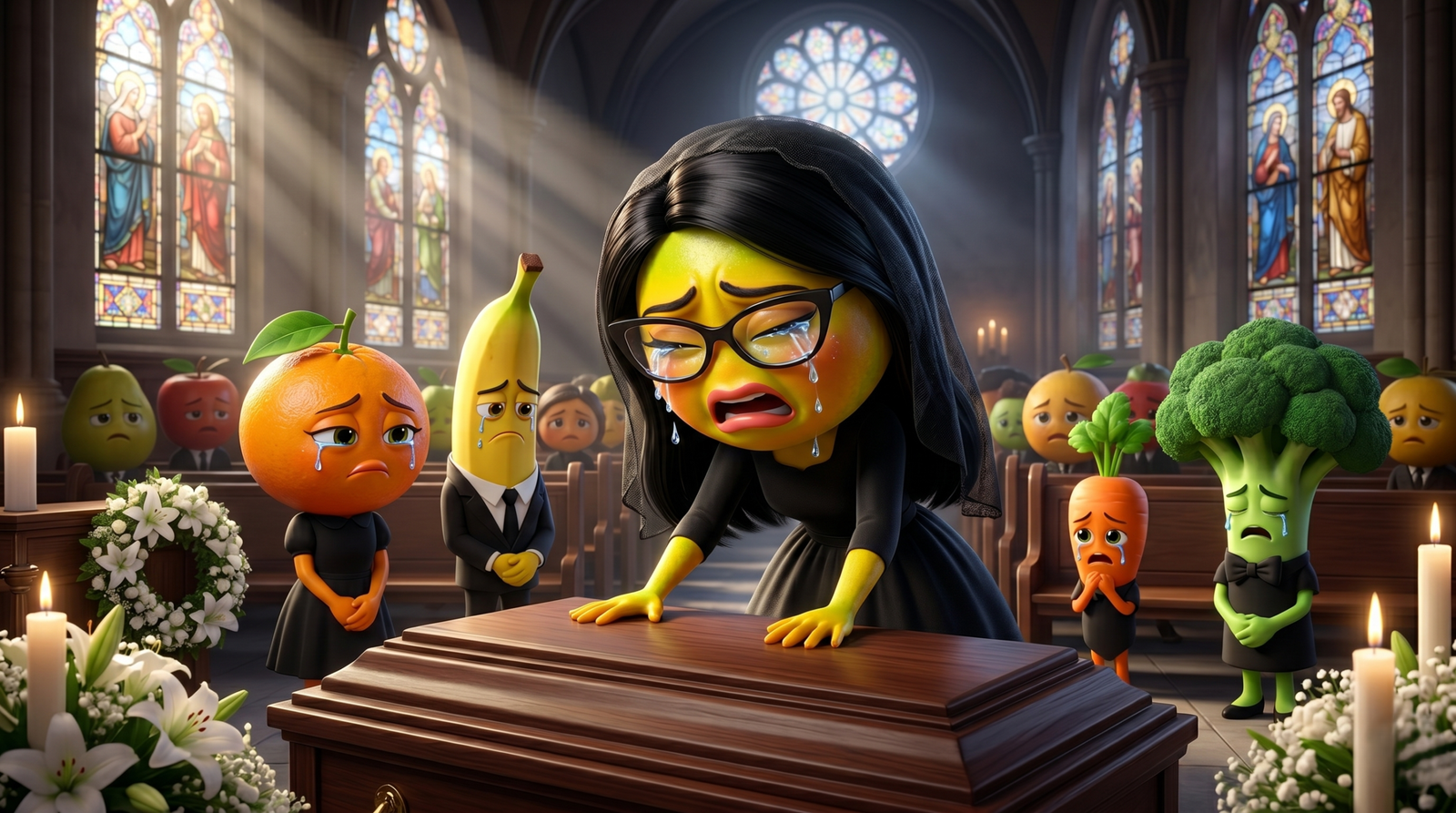
Talking about death and funerals is never easy — but knowing the right vocabulary in Spanish is important for those moments when it matters most. Whether you want to express condolences to a Spanish-speaking friend, understand a funeral scene in a Spanish show, or simply expand your vocabulary to include life’s most meaningful moments, this guide has everything you need. In this article you’ll find funeral vocabulary in Spanish, common expressions of condolence, cultural notes, and a speaking practice exercise. Con mucho respeto.
⚰️ Funeral Vocabulary in Spanish — Vocabulario del Funeral
| English | Spanish | Pronunciation |
|---|---|---|
| Funeral | El funeral | foo-neh-RAL |
| Wake / Vigil | El velorio / La vigilia | veh-LOR-yoh |
| Death | La muerte | MWER-teh |
| To die / To pass away | Morir / Fallecer | moh-REER / fah-yeh-SEHR |
| Deceased / The late | El difunto / El fallecido | dee-FOON-toh |
| Coffin / Casket | El ataúd / El féretro | ah-tah-OOD |
| Cemetery / Graveyard | El cementerio | seh-men-TEH-ryoh |
| Grave / Tomb | La tumba / La sepultura | TOOM-bah |
| Burial | El entierro | en-TYEH-rroh |
| Cremation | La cremación | kreh-mah-SYOHN |
| Ashes | Las cenizas | seh-NEE-sas |
| Condolences | Las condolencias | kon-doh-LEN-syahs |
| Mourning | El luto | LOO-toh |
| Grief | El duelo / El dolor | DWEH-loh |
| Flowers | Las flores | FLOR-es |
| Wreath | La corona de flores | koh-ROH-nah |
| Priest / Minister | El sacerdote / El pastor | sah-ser-DOH-teh |
| Mass / Service | La misa / El servicio fúnebre | MEE-sah |
| Prayer | La oración / El rezo | oh-rah-SYOHN |
| Eulogy / Speech | El elogio fúnebre / El discurso | eh-LOH-hyoh |
| Hearse | El coche fúnebre | KOH-cheh FOO-neh-breh |
| Procession | El cortejo fúnebre | kor-TEH-hoh |
| Tombstone / Headstone | La lápida | LAH-pee-dah |
| Rest in peace | Descansa en paz (DEP) | des-KAN-sah en pas |
| Heaven / Paradise | El cielo / El paraíso | SYEH-loh |
| Soul / Spirit | El alma / El espíritu | AL-mah |
| Memory / Legacy | El recuerdo / El legado | reh-KWER-doh |
| Widow / Widower | La viuda / El viudo | VYOO-dah |
| Orphan | El huérfano / La huérfana | WEHR-fah-noh |
| Funeral home | La funeraria / La agencia funeraria | foo-neh-RAH-ryah |
🕊️ How to Express Condolences in Spanish
Knowing what to say when someone loses a loved one is one of the most important things you can express in any language. Here are the most common and heartfelt expressions:
| Spanish | English |
|---|---|
| Lo siento mucho. | I’m so sorry. |
| Te/Le acompaño en el sentimiento. | My deepest condolences. (lit. “I accompany you in your feeling”) |
| Mis más sinceras condolencias. | My most sincere condolences. |
| Descanse en paz. | Rest in peace. |
| Que en paz descanse. | May he/she rest in peace. |
| Estoy aquí para lo que necesites. | I’m here for whatever you need. |
| Era una persona increíble. | He/She was an incredible person. |
| Siempre lo/la recordaremos con amor. | We will always remember him/her with love. |
| Su recuerdo vivirá para siempre en nuestros corazones. | His/Her memory will live forever in our hearts. |
| Fue un privilegio conocerlo/conocerla. | It was a privilege to know him/her. |
| No tengo palabras para expresar lo que siento. | I don’t have words to express what I feel. |
| Dios lo/la tenga en su gloria. | May God have him/her in his glory. |
💭 Why does “te acompaño en el sentimiento” carry more warmth than “mis condolencias”? The literal meaning is worth sitting with: it doesn’t say “I’m sorry for you” from the outside, it says “I’m accompanying you inside this feeling” — the speaker places themselves alongside the grieving person rather than offering sympathy from a distance. That small grammatical choice (a shared verb, acompañar, rather than a noun of sympathy) reflects something real about how grief tends to be treated in much of Latin American culture: less as something to express condolences about, and more as something the community is expected to sit through together, often quite literally, through the tradition of the velorio described below.
🌎 Cultural Notes — Funerals in Latin America
Funeral traditions in Spanish-speaking countries reflect deep cultural and religious values that are worth understanding:
El velorio — The wake is central to Latin American funeral culture. Family and friends gather at the home or funeral home for an all-night vigil before the burial. It’s a time of collective grieving, storytelling, prayer, and sometimes even food and music — celebrating the person’s life as much as mourning their death.
El luto — Mourning dress (traditionally black) is taken seriously, especially in older generations. In some communities, close family members wear black for weeks or months after a death.
Nueve noches / Novenario — In Colombia and other Catholic countries, family gathers for nine nights of prayer after a death (las nueve noches). This is a deeply rooted tradition honoring the soul of the deceased.
Día de los Muertos — While most associated with Mexico, the celebration of deceased loved ones on November 1-2 (All Saints’ and All Souls’ Day) is practiced across Latin America in various forms.
Taken together, these traditions point to a pattern worth understanding as a learner, not just a list of separate customs: grief in much of Latin American culture is rarely a private, individual process. The all-night velorio, the nine nights of prayer, the yearly return at Día de los Muertos — all of them are structured as recurring, communal acts rather than a single private moment of mourning. This context is part of why the vocabulary and phrases above matter so much in practice: being present, showing up, and using the right words at these gatherings is treated as a real form of support, not just a formality.
💬 Real Conversation — At a Wake
📍 At a friend’s father’s funeral
Tú: Andrés, lo siento mucho. Te acompaño en el sentimiento.
Andrés, I’m so sorry. My deepest condolences.
Andrés: Gracias por venir. Para mí significa mucho.
Thank you for coming. It means a lot to me.
Tú: Tu papá era una persona increíble. Siempre lo vamos a recordar con mucho cariño.
Your dad was an incredible person. We will always remember him with so much affection.
Andrés: Sí… que en paz descanse. Estoy muy agradecido de tener amigos como tú.
Yes… may he rest in peace. I’m very grateful to have friends like you.
Expressing condolences with the right words and tone is something that takes real cultural sensitivity — it’s not just vocabulary, it’s knowing how things are said. A native Spanish tutor on Italki can help you understand the emotional register of these expressions and practice using them so they feel genuine, not scripted.
🎬 POV Speaking Practice — Read Along!
You are at your best friend’s funeral. You’ve been asked to say a few words. Read the text below out loud — then record yourself and listen back to your pronunciation.
📖 POV: Estás en el funeral de tu mejor amigo/a
Hoy estamos aquí para despedir a alguien muy especial.
Era mi mejor amigo. Mi compañero de vida.
Siempre tenía las palabras correctas en el momento correcto.
Su sonrisa iluminaba cualquier lugar.
Hoy el mundo es un poco más oscuro sin él.
Pero su recuerdo vivirá para siempre en nuestros corazones.
Gracias por todo lo que nos diste.
Que descanses en paz, amigo.
Te vamos a extrañar siempre.
🎯 Quick Practice Quiz
Translate into Spanish:
- I’m so sorry for your loss.
- May he rest in peace.
- The burial is tomorrow at the cemetery.
- She was an incredible person.
- We will always remember her with love.
👁️ Show Answers
- Lo siento mucho por tu pérdida.
- Que descanse en paz.
- El entierro es mañana en el cementerio.
- Era una persona increíble.
- Siempre la recordaremos con amor.
❓ Frequently Asked Questions
What’s the most common way to say condolences in Spanish?
Te acompaño en el sentimiento is the most heartfelt and widely used expression in Latin America. It’s personal, warm, and culturally authentic. Lo siento mucho (I’m so sorry) is also universal and always appropriate.
What does “velorio” mean and how is it different from a funeral?
El velorio is the wake — the gathering of family and friends around the body before burial, usually lasting through the night. El funeral or el entierro is the actual burial ceremony. In Latin American tradition, the velorio is often as important as the funeral itself — a time of shared grief, prayer, and remembrance.
Is it appropriate to speak Spanish at a real funeral if I’m still learning?
Yes — even a simple “Lo siento mucho. Te acompaño en el sentimiento” said sincerely is deeply appreciated. The effort to speak someone’s language at a vulnerable moment is always meaningful. If you want to feel more confident with emotional vocabulary before you need it, a conversation practice session on LingoPie can help you hear these expressions used naturally in Spanish dramas and prepare you for real moments.
📚 Keep Learning
Now let’s practice out loud. Read this: