
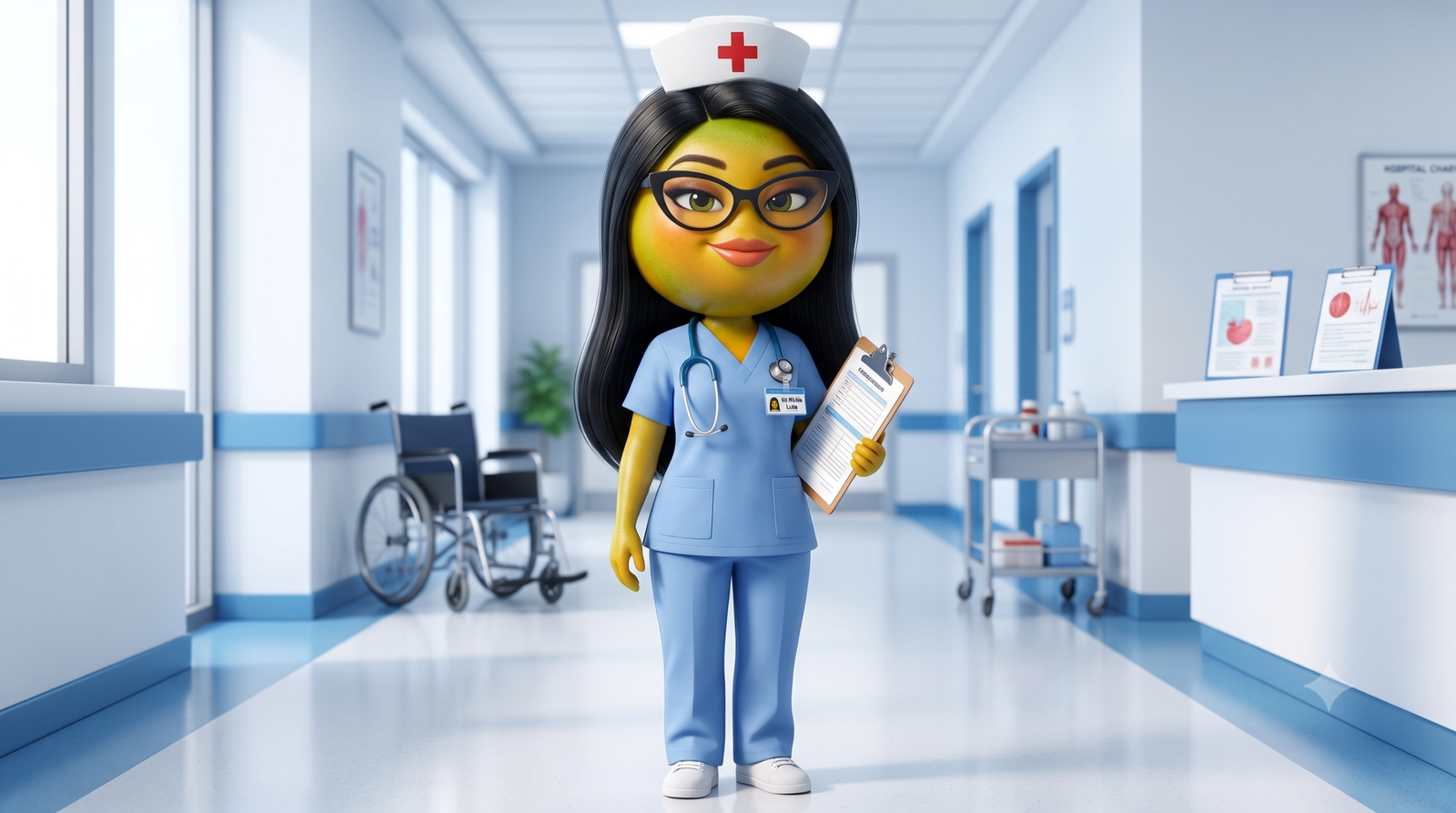
Last Updated on August 10, 2026 by I Love Spanish Club
For nurses and healthcare professionals working in Spanish-speaking communities, being able to communicate with patients in their native language can make a life-changing difference — building trust, reducing fear, and improving the quality of care. This complete guide covers essential medical vocabulary, key phrases for patient assessment, and real dialogues for the situations nurses face every day. ¡La comunicación salva vidas! (Communication saves lives!)
🏥 Why Spanish Matters in Healthcare
🌎 Spanish is the second most spoken language in the United States, with over 42 million native speakers.
📊 Studies show patients who communicate with healthcare providers in their own language report better outcomes, higher satisfaction, and fewer medical errors.
Even basic Spanish can dramatically improve patient interactions — calming a frightened patient, clarifying symptoms accurately, and explaining procedures clearly before an interpreter arrives.
💭 Why does this matter more in medicine than in casual conversation? A language barrier in a clinical setting isn’t just inconvenient — it directly affects diagnosis. A patient who can’t precisely describe where or how something hurts, or who nods along without fully understanding an instruction out of politeness or fear, creates real risk. Even a nurse with imperfect grammar who can ask “¿Dónde le duele?” directly, without waiting for an interpreter, often catches details that would otherwise be lost or delayed. This is why medical Spanish is worth learning even for nurses who aren’t aiming for fluency — the goal isn’t perfect conversation, it’s closing that first, critical communication gap.
📋 Essential Body Parts Vocabulary
| English | Spanish |
|---|---|
| Head | Cabeza |
| Neck | Cuello |
| Chest | Pecho |
| Stomach / Abdomen | Estómago / Abdomen |
| Back | Espalda |
| Arm | Brazo |
| Hand | Mano |
| Leg | Pierna |
| Foot | Pie |
| Heart | Corazón |
| Lungs | Pulmones |
| Throat | Garganta |
| Skin | Piel |
| Blood | Sangre |
| Bone | Hueso |
| Joint | Articulación |
| Vein | Vena |
| Wrist | Muñeca |
| Ankle | Tobillo |
| Eye | Ojo |
| Ear | Oído / Oreja |
🤒 Symptoms — Síntomas
| English | Spanish |
|---|---|
| Pain | Dolor |
| Fever | Fiebre |
| Nausea | Náuseas |
| Vomiting | Vómito |
| Dizziness | Mareo |
| Headache | Dolor de cabeza |
| Cough | Tos |
| Shortness of breath | Falta de aire |
| Chills | Escalofríos |
| Swelling | Hinchazón |
| Bleeding | Sangrado |
| Itching | Picazón / Comezón |
| Rash | Sarpullido / Erupción |
| Fatigue | Fatiga / Cansancio |
| Diarrhea | Diarrea |
| Constipation | Estreñimiento |
| Numbness | Entumecimiento |
| Weakness | Debilidad |
| Burning sensation | Sensación de ardor |
| Cramps | Calambres |
💊 Medical Equipment and Procedures
| English | Spanish |
|---|---|
| Blood pressure cuff | Brazalete de presión arterial |
| Thermometer | Termómetro |
| Stethoscope | Estetoscopio |
| Syringe | Jeringa |
| IV (intravenous line) | Vía intravenosa / Suero |
| Wheelchair | Silla de ruedas |
| Gurney / Stretcher | Camilla |
| Bandage | Vendaje |
| Gauze | Gasa |
| X-ray | Radiografía |
| Blood test | Análisis de sangre |
| Urine sample | Muestra de orina |
| Injection | Inyección |
| Surgery | Cirugía |
| Anesthesia | Anestesia |
| Cast | Yeso |
| Stitches | Puntos / Suturas |
| Oxygen mask | Mascarilla de oxígeno |
🗣️ Greeting and Introducing Yourself
| Spanish | English |
|---|---|
| Buenos días/tardes/noches. Soy su enfermero/a. | Good morning/afternoon/evening. I’m your nurse. |
| ¿Cómo se siente hoy? | How are you feeling today? |
| ¿Cómo se llama usted? | What is your name? |
| Voy a tomarle la presión. | I’m going to take your blood pressure. |
| Voy a tomarle la temperatura. | I’m going to take your temperature. |
| Necesito hacerle unas preguntas. | I need to ask you some questions. |
| No se preocupe, esto es normal. | Don’t worry, this is normal. |
| Esto puede doler un poco. | This might hurt a little. |
❓ Key Questions for Patient Assessment
| Spanish | English |
|---|---|
| ¿Qué le duele? | What hurts? |
| ¿Dónde le duele? | Where does it hurt? |
| ¿Desde cuándo tiene este dolor? | How long have you had this pain? |
| En una escala del 1 al 10, ¿qué tan fuerte es el dolor? | On a scale of 1 to 10, how strong is the pain? |
| ¿Es un dolor agudo o sordo? | Is it a sharp or dull pain? |
| ¿Tiene alergias a algún medicamento? | Are you allergic to any medication? |
| ¿Está tomando algún medicamento? | Are you taking any medication? |
| ¿Tiene alguna condición médica? | Do you have any medical conditions? |
| ¿Ha tenido cirugías anteriores? | Have you had previous surgeries? |
| ¿Está embarazada? | Are you pregnant? |
| ¿Cuándo comió por última vez? | When did you last eat? |
| ¿Tiene náuseas o ha vomitado? | Do you have nausea or have you vomited? |
| ¿Puede mover esta parte del cuerpo? | Can you move this part of your body? |
| ¿Se siente mareado/a? | Do you feel dizzy? |
Notice that “¿Es un dolor agudo o sordo?” (Is it a sharp or dull pain?) gives the patient two concrete words to choose between instead of asking them to describe pain in the abstract — “¿Cómo es el dolor?” (What’s the pain like?) is technically valid but much harder for a frightened or non-native-Spanish patient to answer well. This mirrors good clinical interviewing technique in any language: offering a limited, clear choice usually produces a more accurate answer than an open-ended question, especially under stress.
🩺 Giving Instructions to Patients
| Spanish | English |
|---|---|
| Respire profundo. | Breathe deeply. |
| Aguante la respiración. | Hold your breath. |
| Relájese. | Relax. |
| Acuéstese, por favor. | Please lie down. |
| Siéntese, por favor. | Please sit up. |
| Levante el brazo. | Raise your arm. |
| Apriete mi mano. | Squeeze my hand. |
| No se mueva. | Don’t move. |
| Tome este medicamento dos veces al día. | Take this medication twice a day. |
| Tome con comida. | Take with food. |
| Vamos a hacer un análisis de sangre. | We are going to do a blood test. |
| Va a sentir un pequeño piquete. | You’re going to feel a small pinch. |
💬 Real Dialogue 1 — Triage Assessment
📍 Emergency room triage
Enfermera: Buenas tardes, soy su enfermera. ¿Cómo se llama usted?
Good afternoon, I’m your nurse. What is your name?
Paciente: Me llamo Rosa Martínez.
My name is Rosa Martínez.
Enfermera: Mucho gusto, Rosa. ¿Qué le trae hoy al hospital?
Nice to meet you, Rosa. What brings you to the hospital today?
Paciente: Tengo un dolor muy fuerte en el pecho desde esta mañana.
I have a very strong pain in my chest since this morning.
Enfermera: Entiendo. En una escala del 1 al 10, ¿qué tan fuerte es el dolor?
I understand. On a scale of 1 to 10, how strong is the pain?
Paciente: Como un 8. Y también tengo falta de aire.
About an 8. And I also have shortness of breath.
Enfermera: Voy a tomarle la presión y el pulso ahora mismo. Por favor, respire profundo para mí.
I’m going to take your blood pressure and pulse right now. Please breathe deeply for me.
💬 Real Dialogue 2 — Administering Medication
📍 Hospital room
Enfermero: Buenos días, señor López. Le traigo su medicamento.
Good morning, Mr. López. I’m bringing you your medication.
Paciente: ¿Qué es esto?
What is this?
Enfermero: Es para el dolor. Tómelo con un poco de agua. ¿Tiene alergias a algún medicamento?
It’s for the pain. Take it with some water. Are you allergic to any medication?
Paciente: No, no tengo alergias.
No, I don’t have allergies.
Enfermero: Perfecto. Voy a revisar su brazo también — necesito ponerle una vía intravenosa. Va a sentir un pequeño piquete.
Perfect. I’m also going to check your arm — I need to put in an IV line. You’re going to feel a small pinch.
Paciente: Está bien, adelante.
Okay, go ahead.
Enfermero: Listo. Si siente algún dolor o malestar, presione el botón para llamarme.
Done. If you feel any pain or discomfort, press the button to call me.
Notice that both nurses in these dialogues use usted throughout — never tú — and consistently address the patient by their formal title (señor López, Rosa only after being invited to). This isn’t just etiquette; in a medical context, that formality signals professionalism and respect at a moment when a patient may already feel vulnerable and out of control. Slipping into tú, even with good intentions, can unintentionally read as overly casual or even condescending, especially with older patients.
Practicing these conversations out loud before you need them in a real shift makes a huge difference in your confidence. A native Spanish tutor on Italki can role-play patient scenarios with you — including the medical vocabulary specific to your specialty.
🚨 Emergency Phrases
| Spanish | English |
|---|---|
| ¡Necesito ayuda aquí! | I need help here! |
| Llame al doctor inmediatamente. | Call the doctor immediately. |
| El paciente no respira. | The patient is not breathing. |
| Está perdiendo mucha sangre. | He/she is losing a lot of blood. |
| Tiene una reacción alérgica. | He/she is having an allergic reaction. |
| Está inconsciente. | He/she is unconscious. |
| Necesitamos oxígeno. | We need oxygen. |
| Avisen a la familia. | Notify the family. |
👨👩👧 Talking with Family Members
| Spanish | English |
|---|---|
| ¿Es usted familiar del paciente? | Are you a family member of the patient? |
| El doctor vendrá a hablar con usted pronto. | The doctor will come speak with you soon. |
| Su familiar está estable. | Your family member is stable. |
| Puede pasar a verlo/a ahora. | You can go see him/her now. |
| Necesitamos su autorización para el procedimiento. | We need your authorization for the procedure. |
| ¿Tiene alguna pregunta? | Do you have any questions? |
⚠️ Common Mistakes Nurses Make in Spanish
❌ “Embarazada” confused with “embarrassed”
✅ Embarazada means pregnant, not embarrassed! A classic false friend that can cause serious confusion in a medical setting.
❌ “Constipado” confused with “constipated”
✅ Constipado means having a cold/congestion in Spanish, NOT constipation. “Constipated” is estreñido.
❌ Using “tú” with elderly or unfamiliar patients
✅ Always use usted in a medical setting — it’s respectful and appropriate regardless of the patient’s age. This is one of the highest-stakes grammar choices in this entire guide: getting a symptom word slightly wrong is usually recoverable through context and gestures, but the wrong level of formality can subtly damage trust with a patient right when they need to feel safe and taken seriously.
❌ “Tener éxito” confused with “exit”
✅ Éxito means success, not exit. The exit sign says salida.
❌ Skipping the greeting and going straight to questions
✅ Always greet first — “Buenos días, soy su enfermera” — before launching into medical questions. It builds trust immediately.
🎯 Quiz: Spanish for Nurses
How would you say these in Spanish?
- “How are you feeling today?”
- “On a scale of 1 to 10, how strong is the pain?”
- “Are you allergic to any medication?”
- “Breathe deeply.”
- “I’m going to take your blood pressure.”
- “This might hurt a little.”
👁️ Show Answers
- ¿Cómo se siente hoy?
- En una escala del 1 al 10, ¿qué tan fuerte es el dolor?
- ¿Tiene alergias a algún medicamento?
- Respire profundo.
- Voy a tomarle la presión.
- Esto puede doler un poco.
❓ Frequently Asked Questions
Do I need to be fluent in Spanish to use these phrases?
No — even basic, well-practiced phrases make a significant difference. Patients deeply appreciate any effort to communicate in their language, even if your grammar isn’t perfect. Use these phrases alongside a professional interpreter for complex medical decisions, but use your Spanish for comfort, basic assessment, and building rapport.
What’s the most important phrase to memorize first?
“¿Dónde le duele?” (Where does it hurt?) and “¿Qué le duele?” (What hurts?) are the two most universally useful phrases in any clinical setting. Master these first, along with the pain scale question, and you’ll be able to handle a huge percentage of initial patient interactions.
How can I improve my medical Spanish quickly?
Practice with real scenarios, not just vocabulary lists. A native tutor on Italki who specializes in medical Spanish can run through realistic patient scenarios with you. You can also watch medical dramas in Spanish on LingoPie to hear this vocabulary used naturally in context.
📚 Keep Learning
- 👉 Spanish for Job Interviews — professional Spanish vocabulary
- 👉 Personal Information in Spanish — for patient intake forms
- 👉 Spanish Question Words — essential for any assessment