
Last Updated on June 11, 2026 by I Love Spanish Club
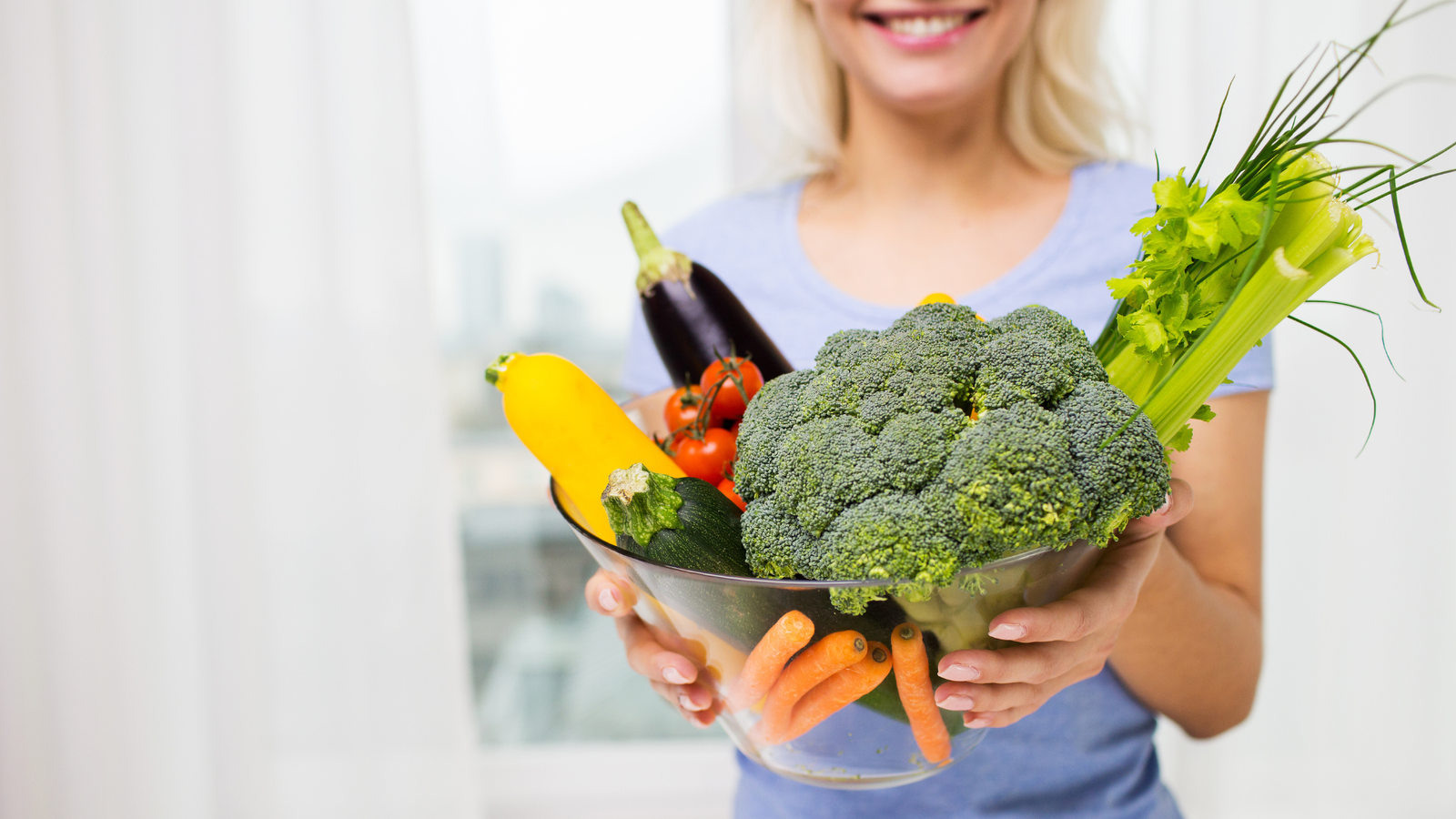
Whether you’re grocery shopping in a Spanish-speaking country, following a recipe, or just building your everyday vocabulary — knowing vegetables in Spanish is incredibly useful. In this guide you’ll find 50+ vegetable names in Spanish with pronunciation, organized by category, plus real conversation examples and cultural notes. ¡Comamos bien!
🥦 How Do You Say “Vegetables” in Spanish?
Las verduras / Las hortalizas
💡 las verduras = vegetables in general (most common)
las hortalizas = garden vegetables (more formal/technical)
🌿 Common Vegetables in Spanish
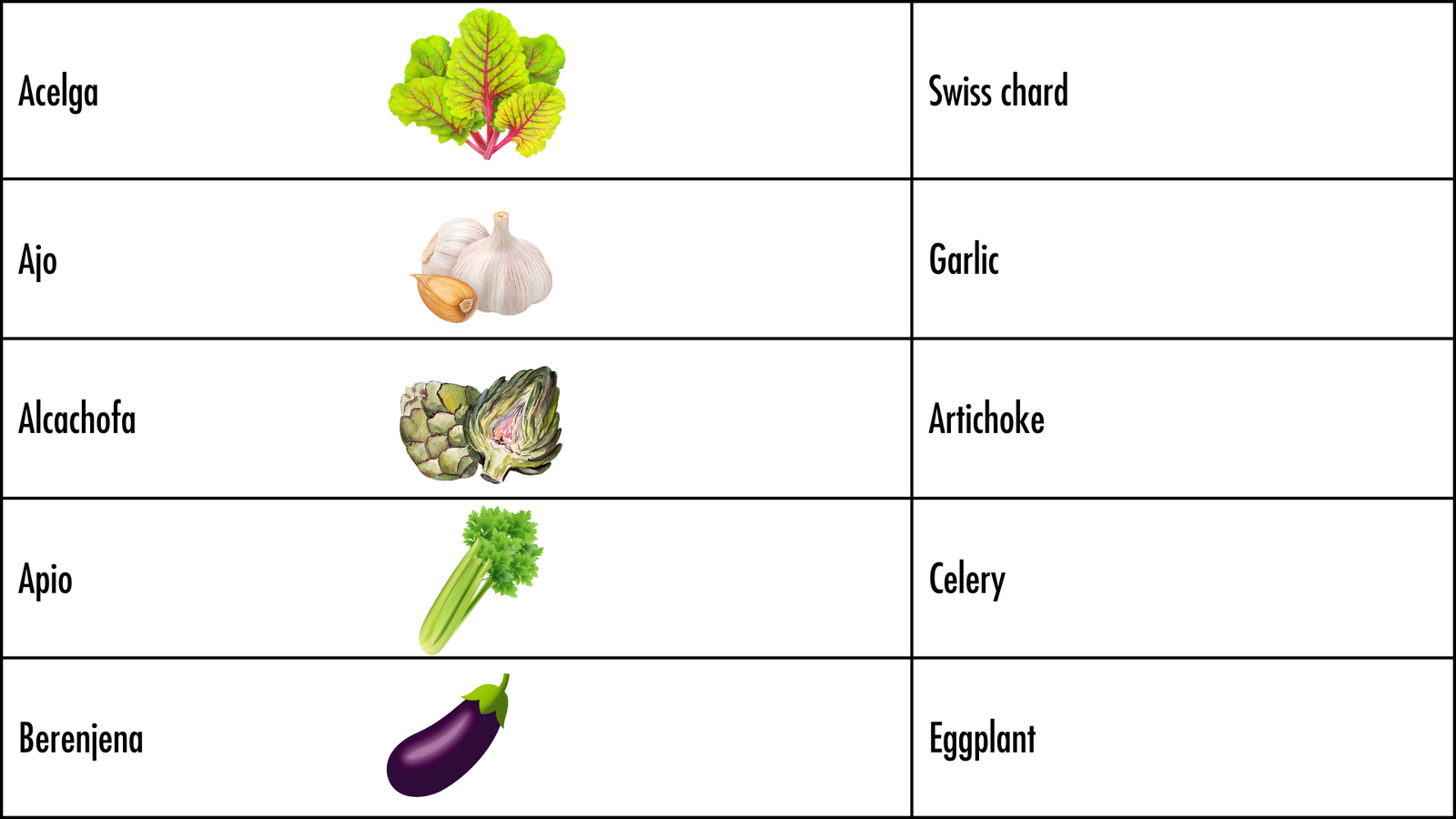
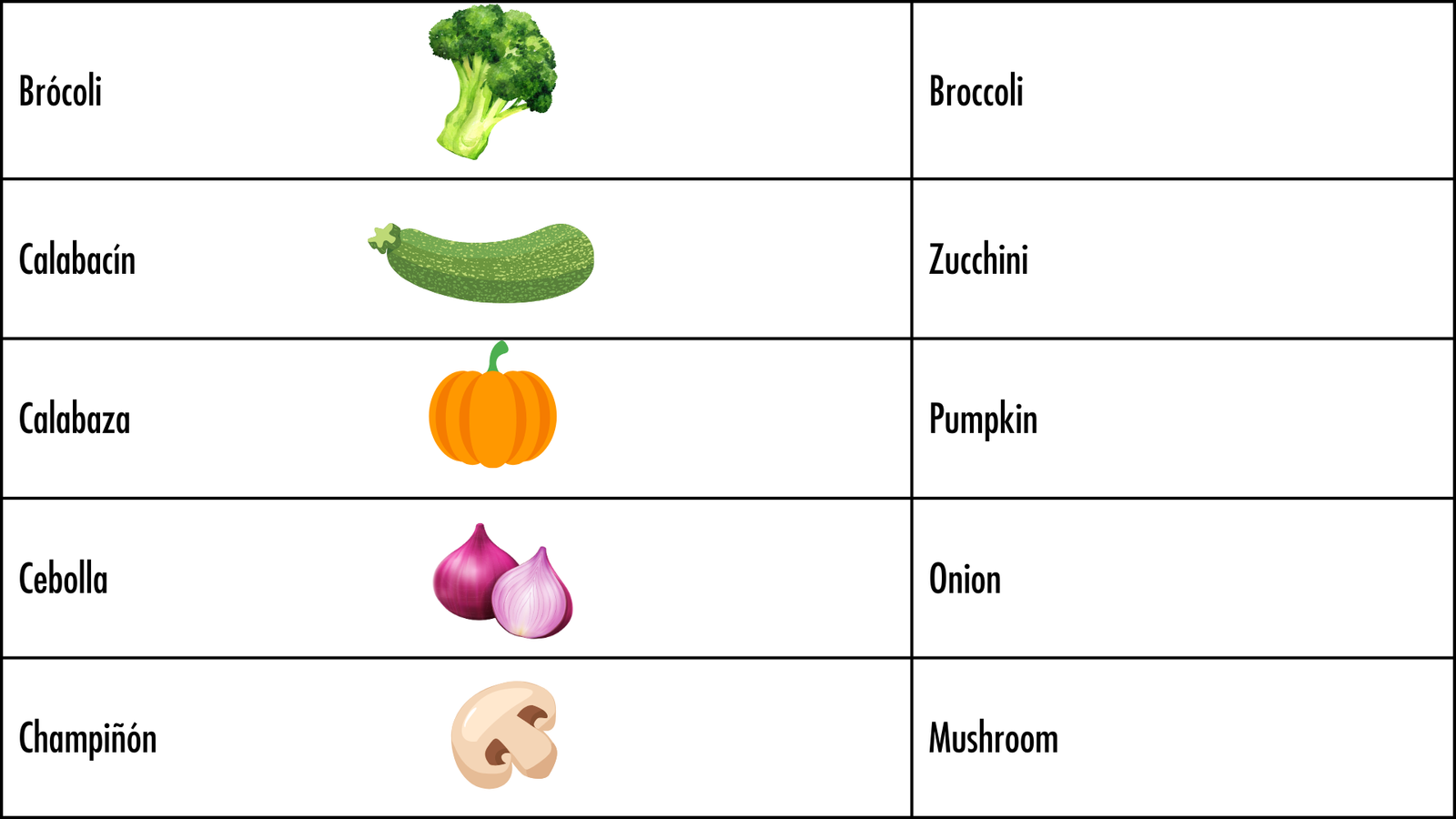
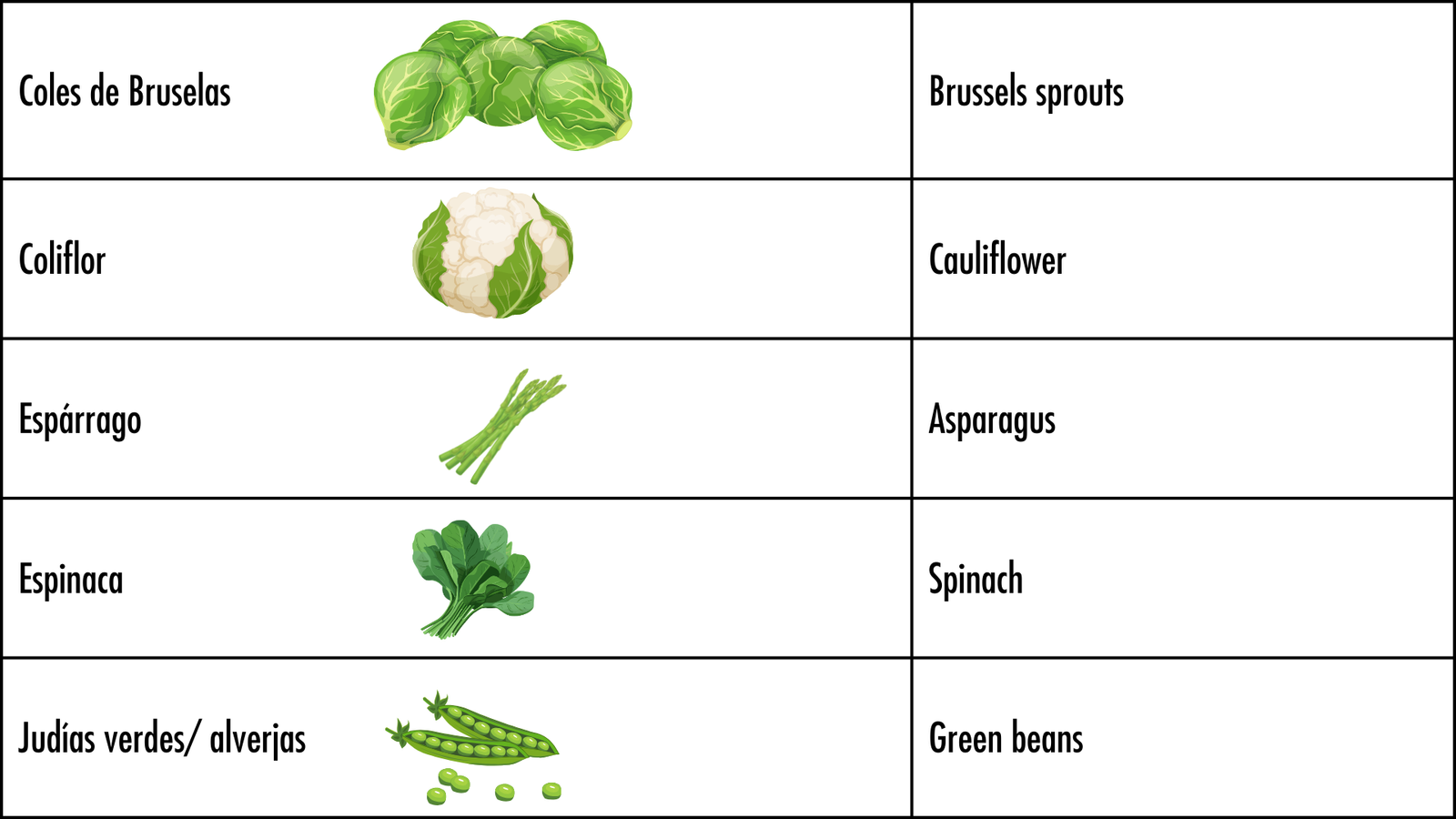
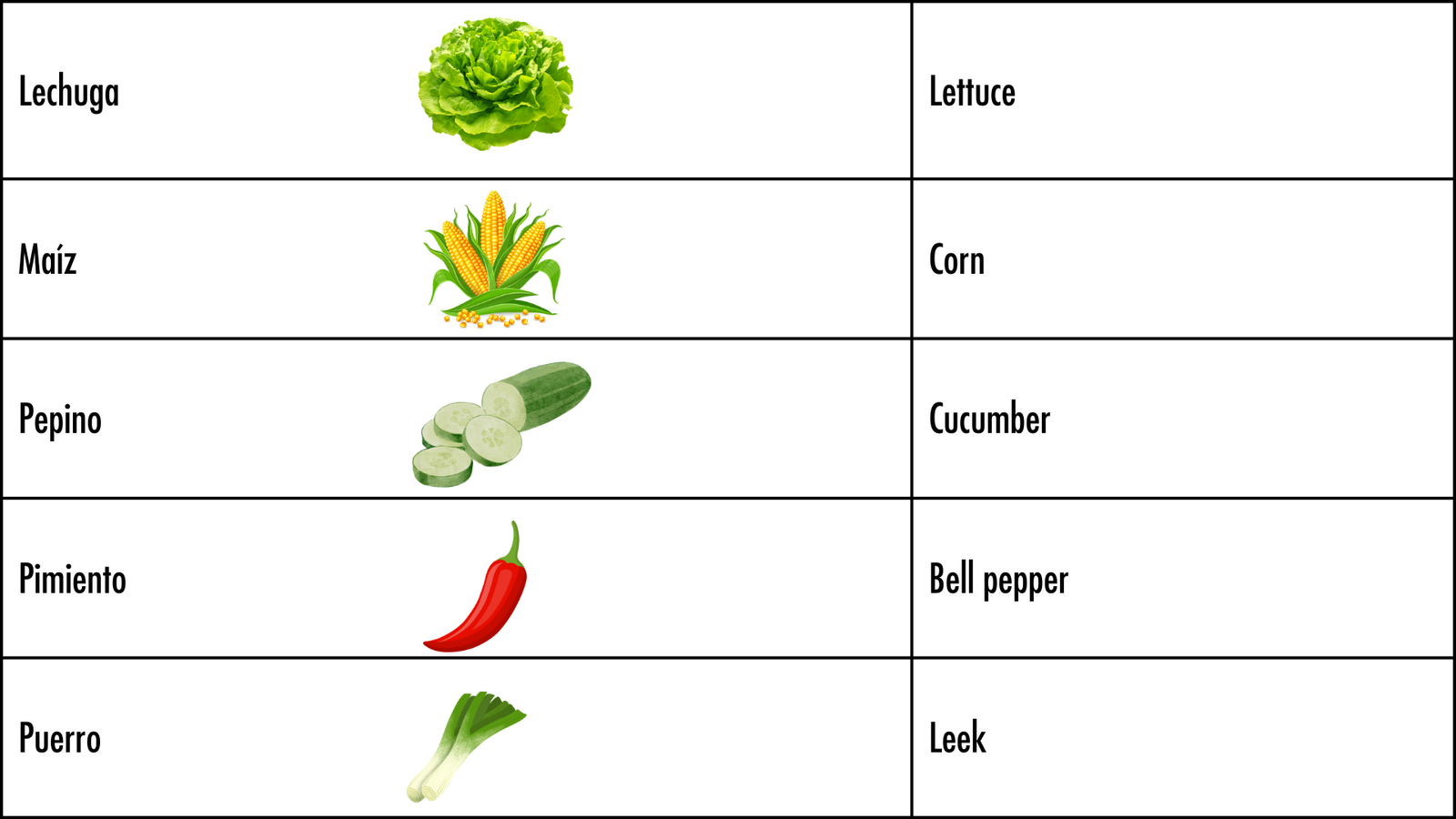
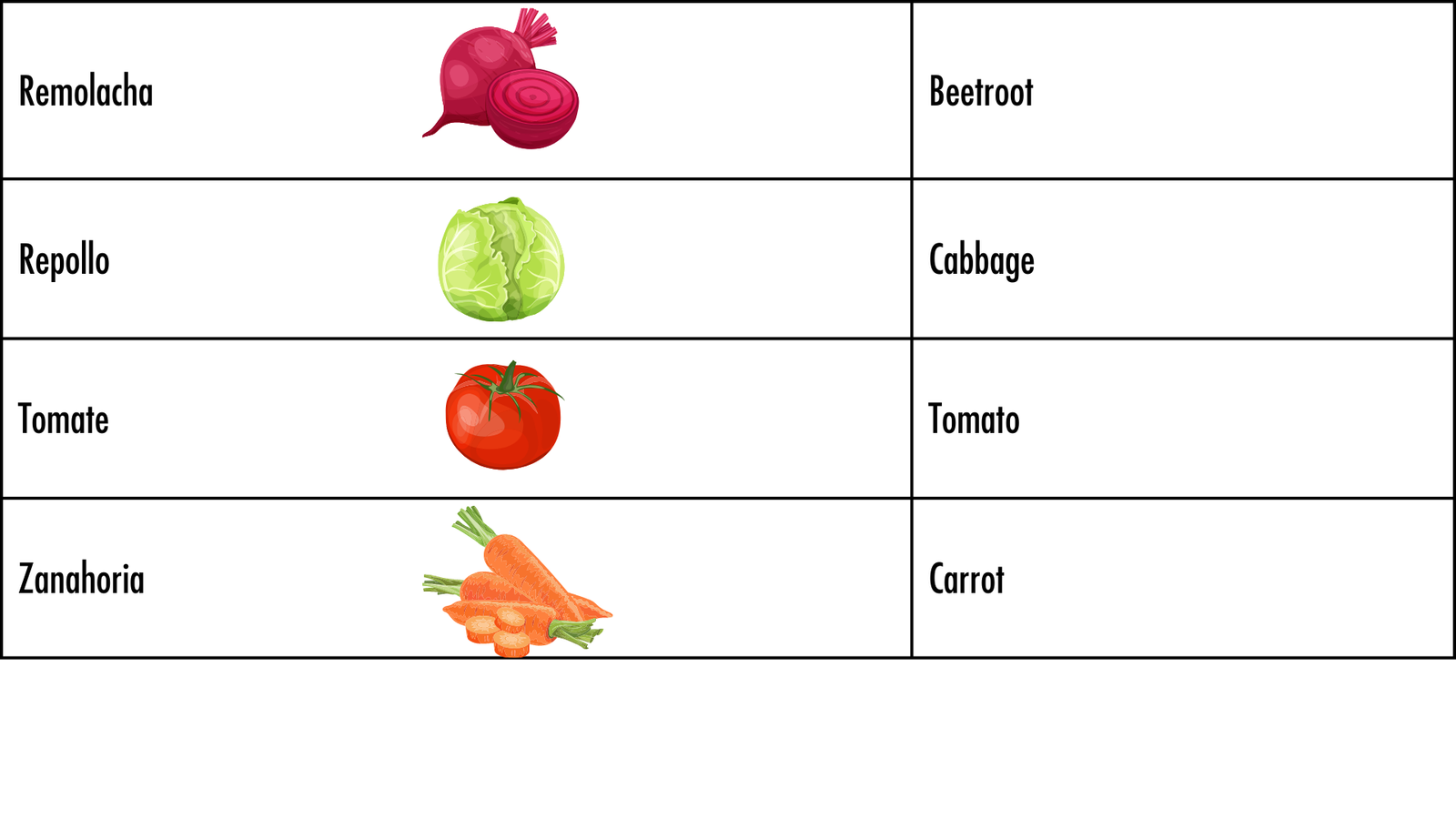
| English | Spanish | Pronunciation |
|---|---|---|
| Carrot | La zanahoria | sah-nah-OH-ryah |
| Potato | La papa / La patata | PAH-pah |
| Tomato | El tomate | toh-MAH-teh |
| Onion | La cebolla | seh-BOH-yah |
| Garlic | El ajo | AH-hoh |
| Lettuce | La lechuga | leh-CHOO-gah |
| Spinach | La espinaca | es-pee-NAH-kah |
| Broccoli | El brócoli | BROH-koh-lee |
| Cauliflower | El coliflor | koh-lee-FLOR |
| Cucumber | El pepino | peh-PEE-noh |
| Zucchini | El calabacín / El zucchini | kah-lah-bah-SEEN |
| Eggplant | La berenjena | beh-ren-HEH-nah |
| Bell pepper | El pimiento / El pimentón | pee-MYEN-toh |
| Corn | El maíz / El choclo | mah-EES |
| Peas | Los guisantes / Los arvejas | gee-SAN-tes |
| Green beans | Las judías verdes / Los ejotes | hoo-DEE-as BER-des |
| Mushroom | El champiñón / El hongo | cham-pee-NYON |
| Celery | El apio | AH-pyoh |
| Leek | El puerro | PWEH-rroh |
| Asparagus | El espárrago | es-PAH-rah-goh |
| Cabbage | El repollo / La col | reh-POH-yoh |
| Pumpkin | La calabaza / La ahuyama | kah-lah-BAH-sah |
| Artichoke | La alcachofa | al-kah-CHOH-fah |
| Beet | La remolacha / El betabel | reh-moh-LAH-chah |
🌎 Regional Variations — Same Vegetable, Different Names!
One of the most interesting things about Spanish is how the same vegetable can have a completely different name depending on the country. Here are the most important ones to know:
| English | Spain | Colombia | Mexico |
|---|---|---|---|
| Potato | La patata | La papa | La papa |
| Bell pepper | El pimiento | El pimentón | El chile |
| Corn | El maíz | El maíz / El choclo | El elote |
| Green beans | Las judías verdes | Las habichuelas | Los ejotes |
| Pumpkin | La calabaza | La ahuyama | La calabaza |
💬 Real Conversation Examples
📍 At the market
Cliente: Buenos días. ¿Cuánto cuesta el kilo de tomates?
Good morning. How much is a kilo of tomatoes?
Vendedor: A dos mil pesos. ¿Le doy también zanahorias? Están muy frescas hoy.
Two thousand pesos. Shall I give you some carrots too? They’re very fresh today.
Cliente: Sí, deme medio kilo de zanahorias y una cebolla grande, por favor.
Yes, give me half a kilo of carrots and one large onion, please.
📍 Following a recipe
Receta: Sofría la cebolla y el ajo en aceite de oliva. Agregue el pimentón y el tomate picado.
Sauté the onion and garlic in olive oil. Add the bell pepper and diced tomato.
Market and cooking vocabulary are some of the first things that come up when you’re actually living in or visiting a Spanish-speaking country. A native tutor on Italki can teach you the local names used in their specific country — which makes a huge difference when you’re actually shopping at a Colombian market vs a Mexican one.
🥗 Useful Vegetable Phrases in Spanish
| ¿Tiene verduras frescas? | Do you have fresh vegetables? |
| Quiero un kilo de papas. | I want a kilo of potatoes. |
| No como carne — soy vegetariano/a. | I don’t eat meat — I’m vegetarian. |
| Este plato lleva espinacas y champiñones. | This dish has spinach and mushrooms. |
| Me gustan mucho las zanahorias crudas. | I really like raw carrots. |
⚠️ Common Mistakes English Speakers Make
❌ Saying “patata” in Latin America
Patata is used in Spain. In Colombia, Mexico, and most of Latin America, say papa. If you say patata in Colombia, people will understand but it sounds distinctly Spanish!
❌ Thinking “pepino” means pepper
El pepino = cucumber — NOT pepper! This is a common confusion. Pepper (the spice) is la pimienta; bell pepper is el pimiento or el pimentón; spicy chili pepper is el chile or el ají.
❌ Using “vegetales” to mean vegetables
While vegetales is technically understood, the natural word in everyday Spanish is verduras. Saying vegetales sounds like a direct English translation and can sound unnatural. Use verduras always!
✏️ Practice Exercise
Translate into Spanish — try to remember the regional variation too!
- I need one kilo of tomatoes and two onions.
- Do you have fresh spinach?
- This soup has carrots, celery and garlic.
- In Colombia, potatoes are called _______.
- I’m vegetarian — what vegetables do you recommend?
✅ Show Answers
- Necesito un kilo de tomates y dos cebollas.
- ¿Tiene espinacas frescas?
- Esta sopa lleva zanahorias, apio y ajo.
- Papas
- Soy vegetariano/a — ¿qué verduras me recomienda?
❓ Frequently Asked Questions
What’s the difference between “verduras” and “vegetales”?
Both can mean vegetables, but verduras is the natural everyday word used throughout the Spanish-speaking world. Vegetales is understood but sounds more formal or like a direct English translation. Always prefer verduras in conversation.
How do I say “I’m vegetarian” in Spanish?
Soy vegetariano (male) or soy vegetariana (female). If you’re vegan: soy vegano/vegana. Very useful at restaurants — you can add no como carne ni pescado (I don’t eat meat or fish) to be clear.
Why does the same vegetable have different names across countries?
Spanish evolved independently in each region over hundreds of years, incorporating indigenous words from local languages. Papa comes from Quechua (Andean language); elote comes from Nahuatl (Aztec language). These regional differences make Spanish wonderfully rich — and they’re one of the most fascinating things to explore with a native tutor on LingoPie through authentic content from different countries.
📚 Keep Learning
Let´s play: