
Last Updated on June 13, 2026 by I Love Spanish Club
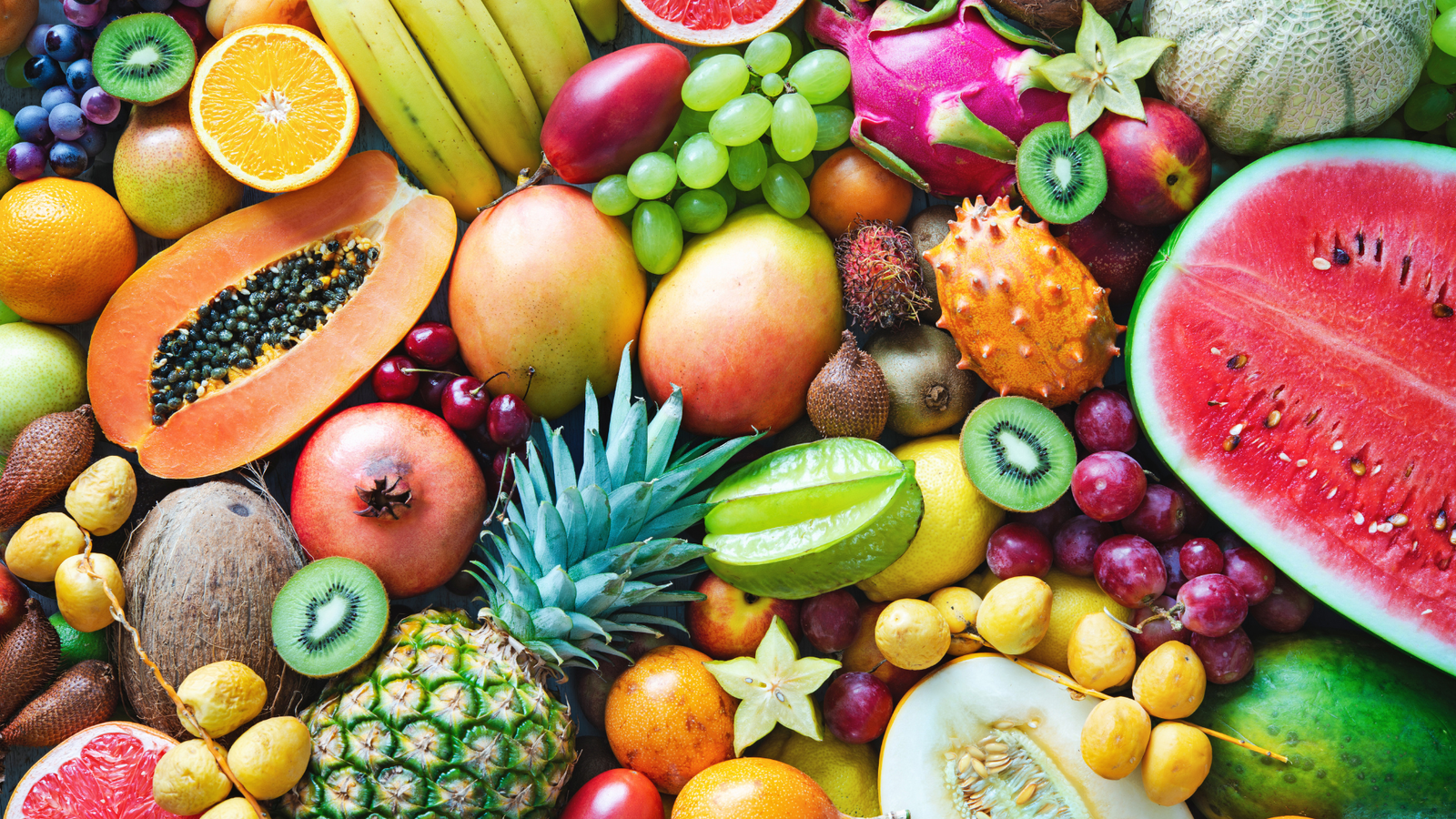
Fruits are one of the most useful and delicious vocabulary topics in Spanish! You’ll use these words at the market, in restaurants, when ordering smoothies, and in everyday conversations. In this guide you’ll find 30+ fruits in Spanish with pronunciation tips, example sentences, fun facts about tropical fruits, and interactive practice games. ¡A comer frutas!
🍎 Why Learn Fruit Vocabulary in Spanish?
Learning fruits in Spanish is useful for three key reasons: everyday communication — fruits are common foods, knowing their names helps you shop, order food, and chat naturally with locals; a healthy lifestyle — being able to read menus, recipes, and nutrition labels in Spanish opens up a whole new world of food culture; and culture & traditions — fruits play a huge role in Latin American cuisine, from Colombian cholado to Mexican agua fresca to exotic tropical fruits you won’t find anywhere else!
🍓 Fruits in Spanish — Vocabulary Table
| Spanish | English | Pronunciation |
|---|---|---|
| La manzana | Apple | man-SAH-nah |
| El banano / El plátano | Banana | bah-NAH-noh / PLAH-tah-noh |
| La naranja | Orange | nah-RAN-hah |
| La uva | Grape | OO-vah |
| La fresa | Strawberry | FREH-sah |
| La piña | Pineapple | PEE-nyah |
| El mango | Mango | MAN-goh |
| El melón | Melon | meh-LOHN |
| La sandía | Watermelon | san-DEE-ah |
| El limón | Lemon / Lime | lee-MOHN |
| La cereza | Cherry | seh-REH-sah |
| El kiwi | Kiwi | KEE-wee |
| La papaya | Papaya | pah-PAH-yah |
| La pera | Pear | PEH-rah |
| El durazno / El melocotón | Peach | doo-RAS-noh |
| La ciruela | Plum | see-RWEH-lah |
| La granada | Pomegranate | grah-NAH-dah |
| La frambuesa | Raspberry | fram-BWEH-sah |
| La mora | Blackberry | MOH-rah |
| La guanábana | Soursop | gwah-NAH-bah-nah |
| El coco | Coconut | KOH-koh |
| La mandarina | Mandarin / Tangerine | man-dah-REE-nah |
| El aguacate | Avocado | ah-gwah-KAH-teh |
| La guayaba | Guava | gwah-YAH-bah |
| El maracuyá | Passion fruit | mah-rah-koo-YAH |
| El lulo | Naranjilla | LOO-loh |
| La pitaya | Dragon fruit | pee-TAH-yah |
| El tomate de árbol | Tree tomato / Tamarillo | toh-MAH-teh de AR-bol |
| La feijoa | Feijoa / Pineapple guava | feh-HOH-ah |
| El melón de agua | Cantaloupe | meh-LOHN de AH-gwah |
💡 Regional tip: Banano is used in Colombia while plátano is used in Spain and Mexico. Limón in Latin America usually means lime (not lemon!) — lemon is limón amarillo. And fresa is strawberry in most countries, but in Colombia you’ll also hear frutilla.
🌴 Tropical Fruits You’ll Find in Colombia
One of the best things about visiting Colombia or other Latin American countries is discovering incredible tropical fruits you’ve never tried before. Here are some must-try ones:
| Spanish | English | Description |
|---|---|---|
| El maracuyá | Passion fruit | Tangy and aromatic — amazing in juices |
| La guanábana | Soursop | Creamy and sweet — great for smoothies |
| La guayaba | Guava | Sweet and fragrant — eaten with cheese in Colombia! |
| El lulo | Naranjilla | Citrusy and unique — only found in South America |
| La pitaya | Dragon fruit | Beautiful and refreshing — mild sweet flavor |
| La feijoa | Feijoa | Sweet and floral — very popular in Colombia |
| El tomate de árbol | Tree tomato | Tangy and rich — delicious in juice form |
💬 Example Sentences with Fruits
| Me encanta el mango con limón y sal. | I love mango with lemon and salt. |
| ¿Cuánto cuesta el kilo de fresas? | How much is a kilo of strawberries? |
| En Colombia hay frutas tropicales increíbles. | In Colombia there are incredible tropical fruits. |
| ¿Me puedes hacer un jugo de maracuyá? | Can you make me a passion fruit juice? |
| La piña es mi fruta favorita. | Pineapple is my favorite fruit. |
| Voy al mercado a comprar frutas frescas. | I’m going to the market to buy fresh fruit. |
| ¿Tienes sandía? Hace mucho calor hoy. | Do you have watermelon? It’s very hot today. |
Talking about food and trying new fruits is one of the most enjoyable parts of visiting a Spanish-speaking country — and a great conversation topic to practice. A native tutor on Italki can chat with you about Colombian food culture, share their own favorite fruits, and help you ask the right questions at any market.
🎮 Let’s Play — Match the Fruits!
Match the fruit pairs with the image, then write the correct fruit name:
🎯 Quick Practice Quiz
Translate these into Spanish:
- Pineapple is my favorite fruit.
- How much is a kilo of strawberries?
- I love mango with lemon and salt.
- Do you have watermelon?
- I’m going to the market to buy fresh fruit.
✅ Show Answers
- La piña es mi fruta favorita.
- ¿Cuánto cuesta el kilo de fresas?
- Me encanta el mango con limón y sal.
- ¿Tienes sandía?
- Voy al mercado a comprar frutas frescas.
❓ Frequently Asked Questions
Why does “limón” mean lime in Latin America but lemon in Spain?
This is one of the more confusing regional differences! In most of Latin America, limón refers to lime (the green citrus), while lemon (the yellow one) is limón amarillo or sometimes just less common overall. In Spain, limón is the standard yellow lemon. Context and what’s actually in front of you usually clarifies it.
What’s the difference between “el banano” and “el plátano”?
In Colombia, el banano is the sweet yellow banana you eat raw, while el plátano refers to the larger, starchier plantain used for cooking. In Spain and some other countries, plátano is used for the regular sweet banana too — so context matters!
Are tropical fruits like lulo and feijoa available outside Colombia?
Some are becoming more available internationally (dragon fruit and passion fruit are increasingly common), but others like lulo and feijoa are still mostly found in South America. If you ever get the chance to try fresh lulo juice, don’t miss it! Watching Colombian food vlogs on LingoPie is a fun way to discover these fruits and hear them described by native speakers before you try them yourself.